OrbitalHub

Where curiosity reaches escape velocity.

Domain is for sale. $50,000,000.00 USD. Direct any inquiries to contact@orbitalhub.com.

Archive for the International Space Station category


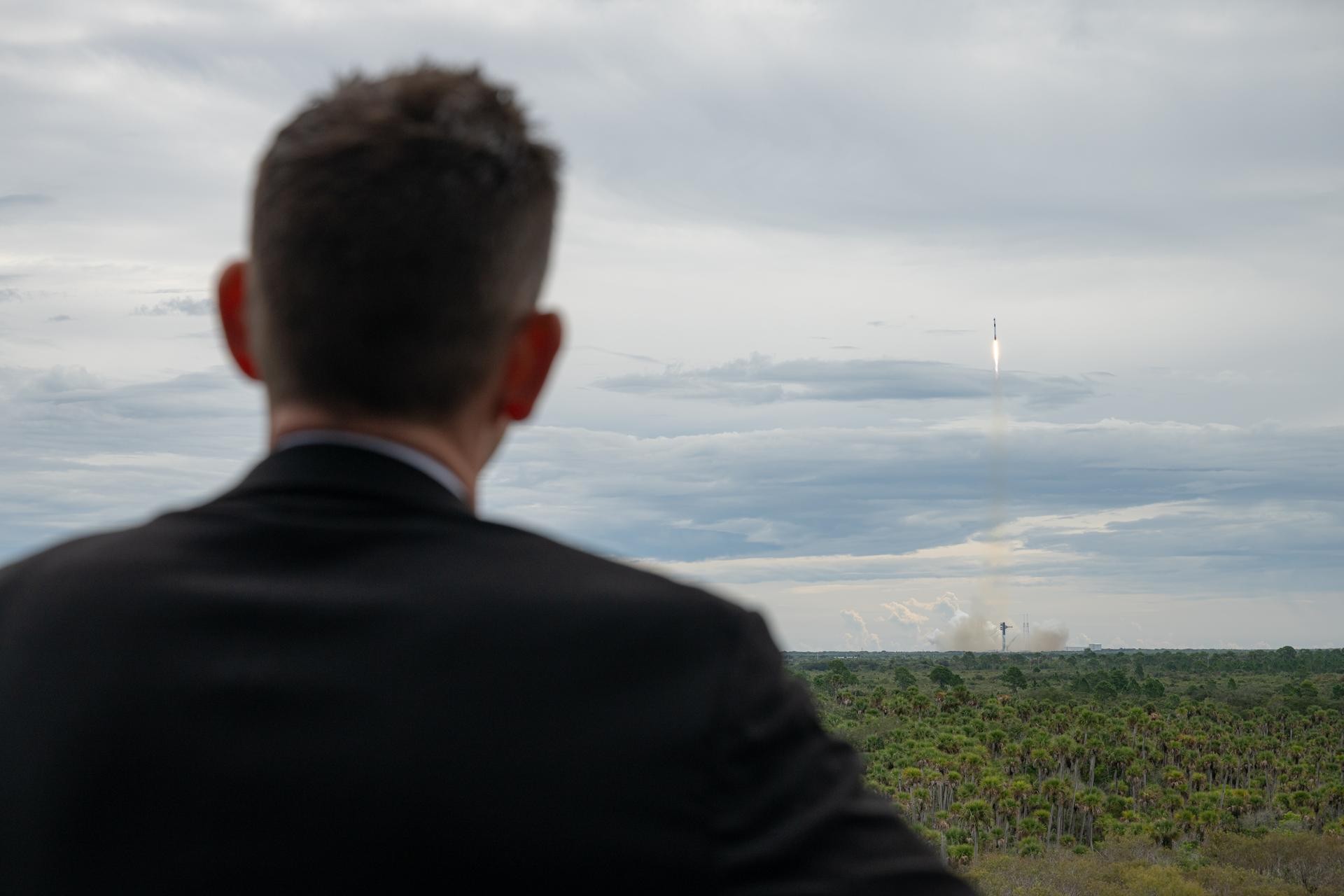
A NASA official watches as a SpaceX Falcon 9 climbs into cloudy skies over Cape Canaveral on October 1, 2026, carrying the four Crew-13 astronauts toward the International Space Station.

Image source: NASA Image and Video Library. Photograph by NASA/Joel Kowsky, public domain.


A SpaceX Falcon 9 lifted off from Space Launch Complex 40 at Cape Canaveral Space Force Station at 11:10 AM Eastern time on Thursday, October 1, carrying four astronauts on NASA’s Crew-13 mission to the International Space Station. About seven hours and fifty minutes after launch, Crew Dragon Grace is expected to dock autonomously to the forward port of the station’s Harmony module at approximately 7:00 PM Eastern. NASA’s launch-day release described the planned transit as a record-setting flight duration for any U.S. spacecraft heading to the station.

The four crew members are Jessica Watkins and Luke Delaney of NASA, Joshua Kutryk of the Canadian Space Agency, and Sergey Teteryatnikov of Roscosmos. Watkins commands the mission and is flying her second spaceflight, becoming the first NASA astronaut to fly twice on a SpaceX Dragon. Delaney pilots in his first spaceflight; Kutryk and Teteryatnikov are mission specialists, each also on a first flight. The launch was originally targeted for September 12 and was delayed by a propellant oxidizer leak discovered on the Dragon before that attempt. The crew entered final quarantine on September 17 and waited out the slip until the October 1 window, which weather officials rated at 70 percent go.

This is the thirteenth NASA Commercial Crew rotation flight, and the twenty-first time a Crew Dragon has carried a crew to orbit. The mission will run approximately six months, ending with a Pacific Ocean splashdown no earlier than March 2027. Once aboard, the four crew members will join Expedition 75 alongside Anil Menon of NASA and Pyotr Dubrov and Anna Kikina of Roscosmos, who are already on the station. After a brief handover, NASA’s SpaceX Crew-12 mission — astronauts Jessica Meir and Jack Hathaway of NASA, Sophie Adenot of ESA, and Andrey Fedyaev of Roscosmos — will return to Earth, restoring the station to a seven-person complement.

The crew backgrounds are deliberately diverse. Watkins is a geologist who previously flew on SpaceX Crew-4 in 2022; her second flight makes her the first NASA astronaut to ride a Dragon twice. Delaney is a former U.S. Navy aviator; Kutryk is a Royal Canadian Air Force fighter pilot; Teteryatnikov is a Russian submariner. Kutryk’s flight is a small but real first: he is the first Canadian to fly as part of NASA’s Commercial Crew Program. The earlier Canadian on a Dragon was Mark Pathy, who flew privately on Axiom Mission 1 in 2022.

NASA announced the crew assignments on April 23, 2026. The pairing of an experienced commander with three first-time flyers, including two from agencies that have not previously flown on Commercial Crew, is consistent with how NASA has used early-rotation flights to broaden the program. A Roscosmos backup crew member, Harutyun Kviryan, was assigned to the mission and remains in crew-support rotation on the ground.

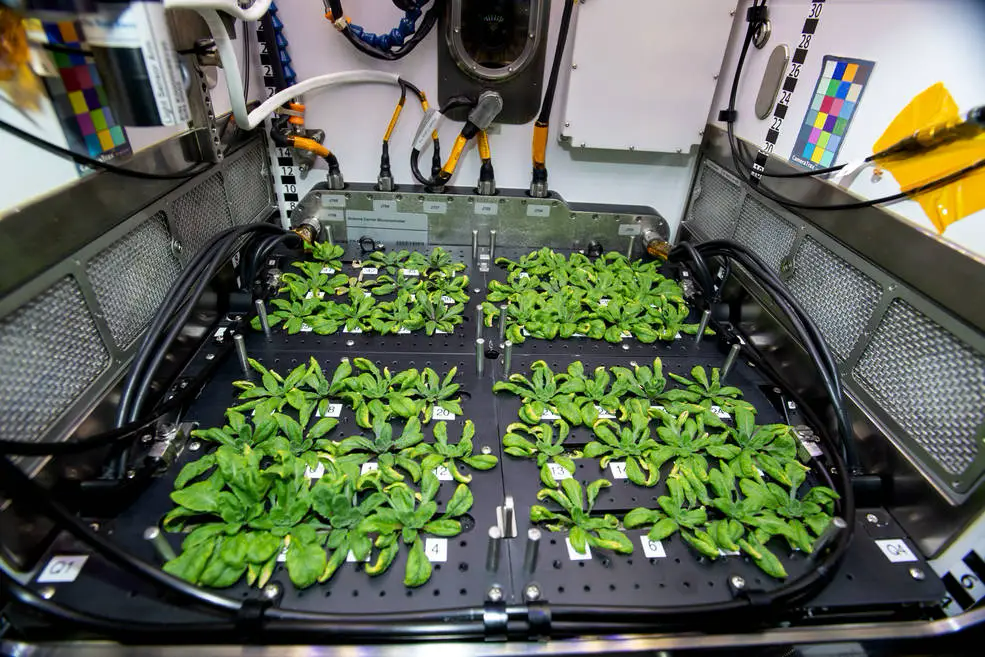
The science planned for the six-month expedition leans heavily on microgravity biology. The crew will work with human stem-cell-derived tissues, an area of research NASA has invested in heavily in the last several expedition cycles, with the goal of building disease models and pharmaceutical testbeds that are hard to assemble on Earth. The crew will also work with a mostly autonomous plant-growth system to test crop production outside dedicated growth facilities — an effort aimed at the longer question of feeding crews on deep-space missions. Two additional threads continue work from earlier expeditions: studies of how blood-flow regulation responds to microgravity, and a hand-held diagnostic device intended to give crews more autonomy on long flights.

The mission comes at a transitional moment for the U.S. human-spaceflight program. NASA’s commercial crew cadence has settled into a roughly twice-yearly rhythm, and Crew-13 is the third operational mission of 2026. At the same time, the agency is preparing for the next test of its deep-space crewed vehicle: Orion, which flew its second crewed mission in April. Crew-13’s fast rendezvous profile reflects improvements in Dragon’s on-orbit phasing software and ground-control procedures; the previous record for a U.S. crewed launch-to-ISS-docking transit was set on Crew-4 in 2022 at roughly seventeen hours.

The launch comes three days after SpaceX’s first orbital Starship flight on September 28. NASA’s launch administrator, Jared Isaacman, framed the back-to-back events in his remarks at Kennedy Space Center. He called Crew-13 “another demonstration of America’s unmatched capability in human spaceflight,” and credited the agency and SpaceX teams for the launch. Dr. Lori Glaze, NASA’s associate administrator for the Human Spaceflight Mission Directorate, tied the mission into the broader exploration narrative: the ISS is “sustaining our presence in Earth’s orbit and sharpening the tools we’ll take forward to the Moon and Mars.”

Docking is scheduled for 7:00 PM Eastern. NASA’s live arrival coverage begins at 5:20 PM Eastern for the rendezvous, docking, and hatch-opening sequence, after which the four astronauts will change out of their spacesuits, transfer cargo, and open the hatch into Harmony. The handover period between Crew-13 and Crew-12 is expected to run roughly a week, with Crew-12’s return targeted for later in October.

The Crew Dragon capsule flying this mission is named Grace. That name is not on NASA’s standard naming rotation for Crew Dragon; it was applied for this specific vehicle. The choice has not been widely discussed publicly, but the spacecraft’s flight record makes the name appropriate: Grace flew this mission after a propellant leak in late August forced a multi-week delay, and the recovery from that delay is what the crew and ground teams are credited with in NASA’s launch-day release.

Once Crew-13 is aboard, the station will continue its mixed program of microgravity research, maintenance spacewalks, and visiting-vehicle traffic through the spring of 2027. NASA’s next crewed flight of any kind is expected to be the second lunar-flyby mission of the Orion program, currently in late-stage processing at Kennedy. Crew-14, the next operational Crew Dragon rotation, has not yet been publicly assigned.
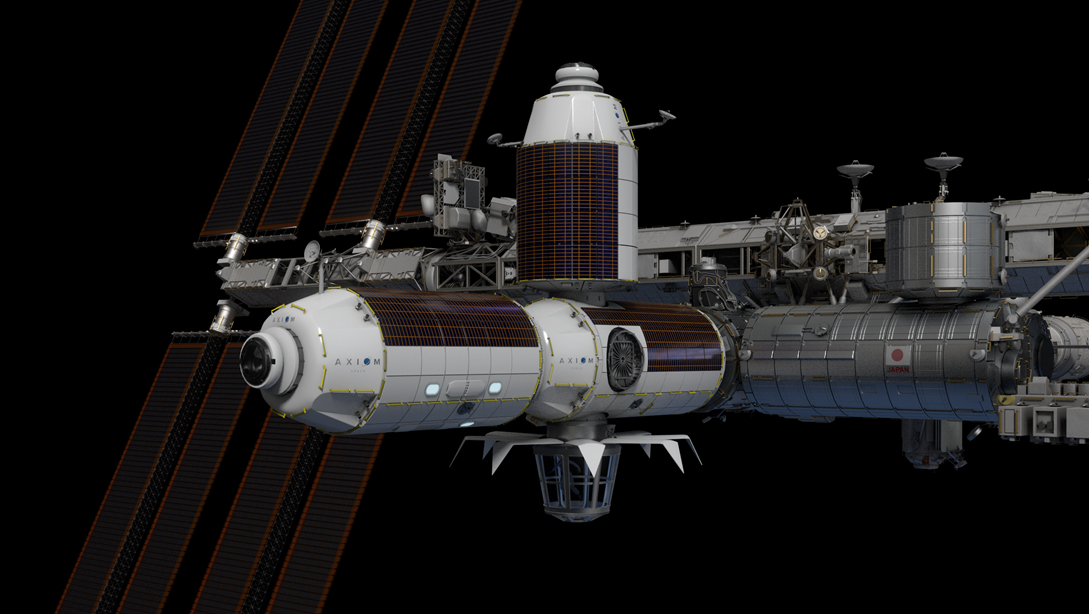
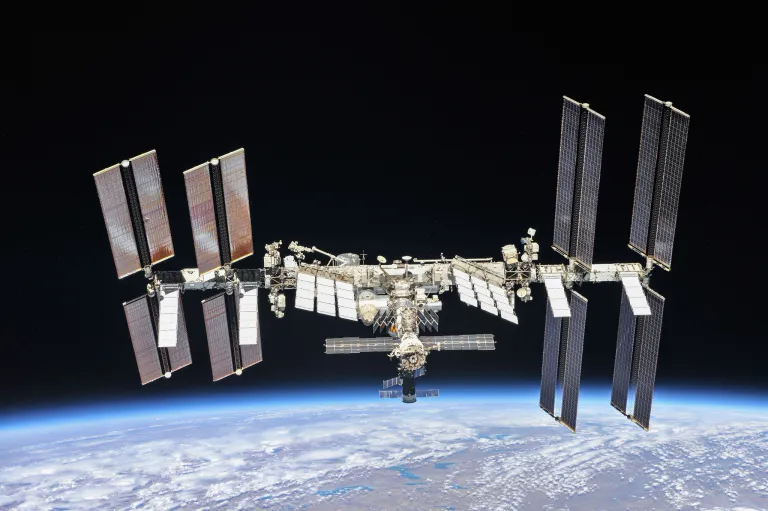


Axiom Space has closed a $350 million financing round in February 2026, accelerating development of what could become the world’s first commercial space station. The Houston-based company is building modular habitats designed to attach to the International Space Station before eventually separating to form a free-flying orbital facility. The funding provides critical capital as the company works toward launching its first module in 2027, pending continued progress on hardware development and NASA approvals.

The company’s architecture begins with the Payload Power Thermal Module, the foundational element that will connect to the ISS and provide infrastructure for research and payload operations. Subsequent modules will expand the station’s capabilities, adding crew quarters, research facilities, and an airlock for spacewalk operations. The station will initially rely on SpaceX Crew Dragon vehicles for crew transportation, with Axiom’s own AxEMU spacesuits providing capabilities for extravehicular activities.

Axiom has now completed NASA’s preliminary and critical design reviews, demonstrating that the proposed architecture meets agency requirements for safety and performance. Thales Alenia Space, the company’s primary manufacturing partner, is producing primary structures at facilities in Europe and the United States. The first flight hardware pieces have arrived in Houston for final integration, though the company still faces substantial work before the modules are ready for launch.

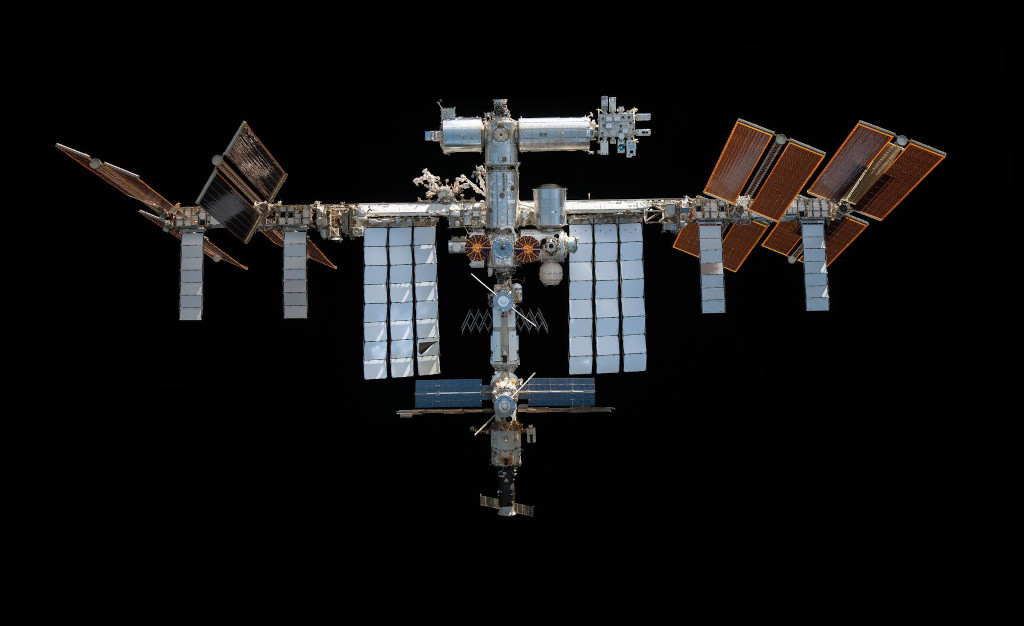
The commercial station concept addresses a critical transition in human spaceflight. The International Space Station, operated continuously since November 2000, faces an uncertain future as participating agencies evaluate options for continued operations beyond 2030. NASA has expressed support for commercial stations as successors to the ISS, believing that commercial operators can provide orbital research capabilities at lower cost than government-operated facilities. Axiom’s station represents the leading effort to make that vision a reality.

The company’s approach emphasizes research and manufacturing capabilities that could benefit from microgravity conditions. Pharmaceutical development, advanced materials processing, and biological research all show promise for improved outcomes when conducted in orbit. Axiom has already demonstrated interest through its private astronaut missions to the ISS, including the Ax-5 mission scheduled for January 2027 that will provide additional experience before the company’s own station becomes operational.

Designing space habitats that attach to existing infrastructure requires careful consideration of mechanical interfaces, power transfer, and data connectivity. The ISS provides power through solar arrays and thermal control through external radiators, but these systems were not designed to support significant additional loads. Axiom’s modules must integrate with existing systems without compromising station operations or crew safety, requiring extensive analysis and testing to verify compatibility.

The station’s expandable design allows for incremental capability growth as demand develops. Initial modules provide basic research and habitation space, with later additions offering specialized facilities for manufacturing or observatory operations. This approach mirrors how the ISS itself grew from a modest facility into a massive research complex over more than two decades of continuous assembly.

Power generation and thermal control present particular challenges for the larger station configuration. As modules are added, power requirements increase proportionally, necessitating expanded solar array capacity and more sophisticated thermal management. The station will need to dissipate heat generated by scientific equipment and life support systems while maintaining comfortable temperatures for crew members.


The European Space Agency has taken a significant step toward ensuring its astronauts continue flying to the International Space Station in the final years of the orbital laboratory’s life. On March 19, 2026, the ESA Council endorsed a project called ESA Provided Institutional Crew, or EPIC, which will send European astronauts to the ISS on a dedicated SpaceX Crew Dragon mission in early 2028. This marks a new chapter in European human spaceflight, moving beyond reliance on seats provided by NASA or commercial partners toward a fully European-operated crewed mission.

The decision emerged from a meeting of ESA member states in Paris, where Director General Josef Aschbacher emphasized the urgency of providing flight opportunities for the agency’s astronaut corps. Europe currently has five career astronauts who joined the agency in 2022, and only a limited number of ISS mission slots remain before the station’s planned retirement around 2030. “We have five career astronauts that I intend to fly in the next few years, and EPIC is one way of making sure that these career astronauts can go to the space station, do research and certainly also enlarge our experience,” Aschbacher stated at a press briefing following the council meeting.

ESA’s new astronaut corps has already begun its journey to space through other avenues. Sophie Adenot became the first of the 2022 class to reach the orbital laboratory, currently serving as part of NASA’s Crew-12 mission. Raphaël Liégeois is expected to fly in late 2027 or early 2028. However, these assignments rely entirely on decisions made by NASA or commercial partners. EPIC gives ESA control over its own crew assignments and mission planning, a level of autonomy the agency has rarely enjoyed in its history of human spaceflight.

The EPIC mission will differ substantially from the short-duration commercial astronaut flights that European astronauts have participated in recently. Swedish astronaut Marcus Wandt flew on Axiom Space’s Ax-3 mission in 2024, and Polish astronaut Sławosz Uznański-Wiśniewski followed on the Ax-4 mission in 2025. Both of those flights lasted approximately two weeks, focusing primarily on specific research experiments for which the astronauts trained. The EPIC mission will extend to one month, allowing European astronauts to participate more fully in station operations, including maintenance tasks that typically fall to the long-duration crew.

This extended duration also provides ESA with valuable experience in managing longer-duration missions that will prove essential when the International Space Station gives way to commercial alternatives. The agency has committed to participating in future commercial space stations but lacks the operational experience of conducting month-long missions independently. EPIC bridges that gap by giving European flight controllers and mission managers responsibility for a complete crewed flight from launch through landing.

The mission will operate as a fully ESA-led project, though international partners will participate. ESA will be responsible for crew selection, mission planning, and operations, with the spacecraft fully controlled by European mission controllers rather than NASA’s traditional flight director teams. This represents a significant expansion of European human spaceflight capabilities and establishes precedents that will inform how the agency operates on future commercial stations or lunar missions.

Funding details remain under discussion, and ESA has not disclosed the anticipated cost of chartering a Crew Dragon flight. However, the investment reflects strategic priorities that extend beyond the ISS era. As Aschbacher noted, the decision ensures European astronauts maintain their presence in low Earth orbit during a critical transition period when commercial stations are scheduled to begin operations and NASA’s focus shifts increasingly toward lunar exploration through the Artemis program.

SpaceX’s Crew Dragon represents the first commercial spacecraft designed to transport humans to and from orbit, developed through NASA’s Commercial Crew Program beginning in 2010. The spacecraft consists of a reusable crew capsule capable of carrying up to seven passengers, paired with a disposable service module that provides propulsion, electrical power, and life support consumables. The capsule returns to Earth through controlled descent, decelerating from orbital velocity using a heat shield before splashing down in the Atlantic Ocean under parachutes.

The spacecraft’s environmental control and life support systems maintain atmospheric pressure and composition throughout the mission, removing carbon dioxide and humidity while providing fresh oxygen. These systems must operate continuously for the duration of the mission, whether that spans two weeks or one month. The Crew Dragon also incorporates redundancies throughout critical systems, meeting NASA’s human-rating requirements for crew safety during launch, orbital operations, and return.

One of the spacecraft’s distinguishing features is its autonomous docking capability, which allows the vehicle to approach and attach to the International Space Station without crew intervention. This automation reduces crew workload during complex approaches and provides a backup if astronauts are incapacitated. The system performed successfully during initial operational flights and has become standard procedure for crewed approaches to the station.


The microgravity research sector crossed $4 billion in market value during early 2026, according to industry analysis published in March. This milestone reflects growing commercial interest in conducting scientific experiments and manufacturing processes in orbital environments where gravity’s effects are dramatically reduced.

Commercial satellite launches have accelerated at approximately 15 percent annually, according to the same analysis, creating expanded infrastructure for payload deployment and in-orbit operations. The convergence of more launch opportunities and increased research interest is driving investment in dedicated commercial space platforms.

The International Space Station remains the primary venue for microgravity research, hosting experiments from NASA, ESA, JAXA, and commercial customers. However, private stations planned for launch later in the decade will add significant capacity. Companies including Axiom Space, Voyager Space, and Orbital Reef are developing commercial orbital outposts designed specifically for research and manufacturing.

Research conducted in microgravity spans multiple disciplines. Protein crystallization experiments have demonstrated improved crystal quality compared to Earth-based methods, potentially accelerating pharmaceutical development. Materials processing leverages the absence of convection and sedimentation to create novel alloys and optical components. Biological studies examine how organisms adapt to spaceflight, providing insights relevant to long-duration human space missions.

The United Kingdom opened a microgravity research centre in Swansea in March 2026, joining a growing list of national programs supporting orbital science. Space Forge, a UK-based company, successfully generated plasma in orbit in late 2025, demonstrating conditions necessary for advanced crystal growth aboard commercial spacecraft. Such capabilities could eventually enable manufacturing processes impractical on Earth.

Defense contractors have also increased investment in orbital research, driven by applications including advanced materials for aircraft and spacecraft, sensors for surveillance systems, and fundamental physics investigations. The intersection of commercial and defense interests is creating a broader industrial base for space-based research.

The $4 billion figure encompasses launch services, orbital platform operations, experiment hardware, and downstream data analysis. Market researchers project continued growth as more commercial stations come online and as pharmaceutical and materials companies demonstrate returns on orbital research investments. Whether the sector maintains current growth rates will depend partly on launch cost trends and the success of early commercial station deployments.


The United States Congress has directed NASA to extend International Space Station operations through 2032, marking a significant shift from the previous retirement target of 2030. The directive appears in the NASA Authorization Act of 2026, which also includes provisions for establishing a permanent lunar base and developing commercial space station capabilities.

The extension addresses concerns about continuity of human spaceflight capability between the ISS era and the emergence of commercial space stations. NASA had planned to deorbit the station in 2030, allowing it to burn up over a remote ocean area. However, the commercial alternatives expected to replace ISS capabilities have not yet reached operational status.

The legislation reflects congressional skepticism about NASA’s timeline for transitioning to commercial stations. Companies including Axiom Space, Voyager Space, and Blue Origin are developing privately-owned orbital platforms, but each faces significant development challenges. The extended ISS lifetime provides a buffer in case commercial stations encounter delays.

International partnerships add complexity to the extension. The ISS involves NASA, Roscosmos, JAXA, ESA, and CSA, with Russia notably announcing plans to withdraw from the project. Any extension requires coordination with international partners, and political tensions may complicate negotiations. The station’s Russian segment has experienced reliability issues, and continued Russian participation remains uncertain.

The station itself has operated continuously since 1998, making it one of the longest-running human spaceflight platforms in history. Its modular design has allowed continuous upgrades and additions over more than two decades of continuous human occupation. However, aging systems require increasing maintenance, and the station’s solar arrays have degraded over time.

Commercial station developers view the extension as both an opportunity and a challenge. The longer ISS lifetime provides additional market opportunity for cargo and crew services, but delays the potential revenue from commercial station operations. Companies had structured their business plans around the 2030 retirement timeline, and the extension may require reassessment of development schedules.

NASA has advocated for the extension, arguing that maintaining human spaceflight capability in low Earth orbit serves both scientific and strategic interests. The station supports research in biology, physics, and materials science, and provides a platform for understanding long-duration spaceflight effects critical to future deep space missions.

The authorization act also addresses spacesuit development, directing NASA to obtain the capability to develop spacesuits independently. Currently, NASA relies on Axiom Space for the suits planned for lunar missions, following Collins Aerospace’s withdrawal from the program in 2024. This directive aims to ensure multiple sources for critical spaceflight hardware.

Looking beyond 2032, the transition to commercial stations will require careful coordination. NASA plans to be one customer among several for commercial platforms, avoiding the single-vendor dependency that characterized the commercial crew competition.


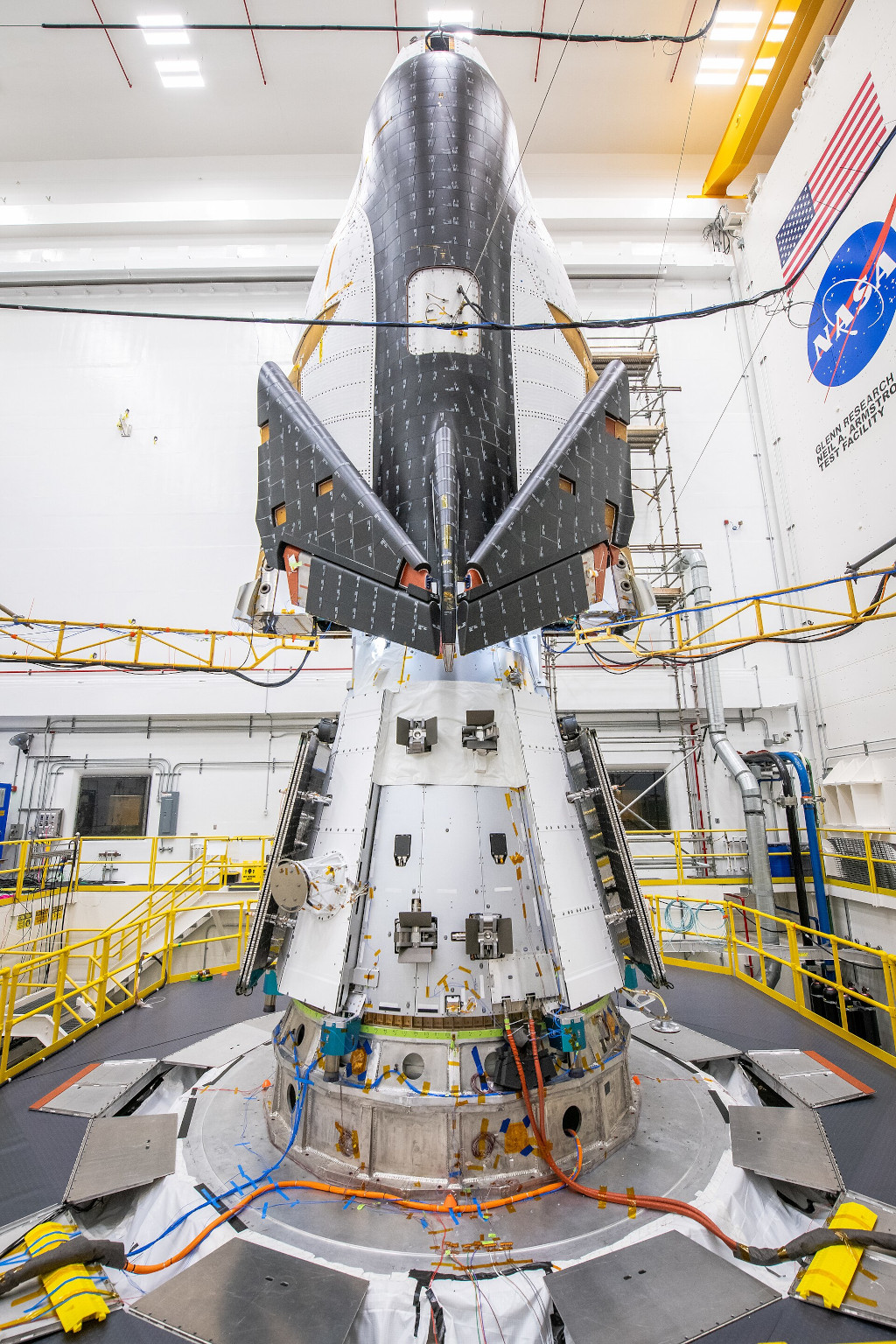
Sierra Space’s Dream Chaser cargo spaceplane continues its path toward first flight, with the demonstration mission currently targeted for late 2026. The spacecraft recently completed important pre-flight milestones at NASA’s Neil Armstrong Test Facility in Ohio, where it underwent vibration testing to simulate launch and re-entry conditions.

The Dream Chaser system consists of two main components: the reusable lifting-body spacecraft and the disposable Shooting Star cargo module. Together, the stack stands approximately 55 feet tall. Testing confirmed the vehicle’s structural integrity under the dynamic conditions experienced during launch and atmospheric re-entry.

Recent updates to the mission profile have changed the original plan. The demonstration flight will no longer dock with the International Space Station as originally planned. Instead, the mission will launch to low Earth orbit and return to Earth with a runway landing at Vandenberg Space Force Base in California. The change allows the mission to proceed without some of the complex docking systems that required additional development time.

NASA announced the modification in September 2025, noting that propulsion system and software certification remained in progress. The revised plan demonstrates the flexibility required in developing new spacecraft systems. The demonstration mission will still validate the vehicle’s core capabilities including launch, orbital flight, re-entry, and landing.

The CRS-2 contract with NASA tasks Dream Chaser with resupplying the International Space Station. Once operational, the spacecraft will be able to return sensitive cargo to Earth rather than disposing of it in the atmosphere as other cargo vehicles do. This capability addresses a longstanding gap in commercial resupply services.

The lifting-body design provides significant advantages during re-entry. Unlike capsule vehicles that splash down in the ocean, Dream Chaser can land on conventional runways. This approach enables faster payload recovery and eliminates the complexity of ocean recovery operations. The design also allows the vehicle to perform a controlled approach with greater maneuverability than capsule-shaped vehicles.

Testing at NASA’s facilities has included comprehensive evaluations of the integrated system. The vibration testing simulated the mechanical stresses of launch, orbital flight, and re-entry. Additional tests will evaluate thermal protection performance and systems integration before the vehicle is cleared for flight.

Sierra Space has invested heavily in developing manufacturing capabilities for the spacecraft. Production facilities in Colorado and Wisconsin support the build process for the reusable vehicle structure and the disposable cargo module. The company has established supplier relationships for specialized components including the heat shield tiles and propulsion systems.

If the demonstration mission succeeds, operational cargo flights could begin in 2027. The Dream Chaser will join SpaceX’s Dragon capsule and Northrop Grumman’s Cygnus vehicle in NASA’s commercial resupply portfolio. The addition of a runway-landable vehicle provides redundancy and expanded capabilities for station resupply operations.

The late 2026 launch window provides adequate time to complete remaining certification activities. Mission planners will select a specific date based on orbital mechanics and station logistics. The demonstration flight will carry a combination of NASA cargo and partner payloads to validate the vehicle’s performance in representative mission scenarios.