OrbitalHub

Where curiosity reaches escape velocity.

Domain is for sale. $50,000,000.00 USD. Direct any inquiries to contact@orbitalhub.com.

Archive for the Spacecraft Design category


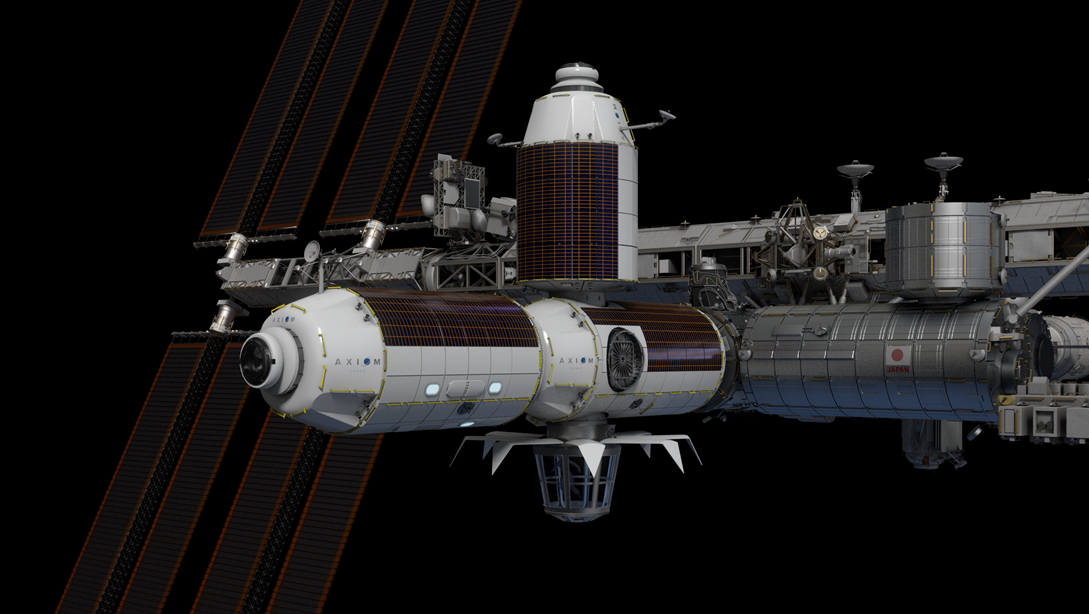
Axiom Space has closed a $350 million financing round in February 2026, accelerating development of what could become the world’s first commercial space station. The Houston-based company is building modular habitats designed to attach to the International Space Station before eventually separating to form a free-flying orbital facility. The funding provides critical capital as the company works toward launching its first module in 2027, pending continued progress on hardware development and NASA approvals.

The company’s architecture begins with the Payload Power Thermal Module, the foundational element that will connect to the ISS and provide infrastructure for research and payload operations. Subsequent modules will expand the station’s capabilities, adding crew quarters, research facilities, and an airlock for spacewalk operations. The station will initially rely on SpaceX Crew Dragon vehicles for crew transportation, with Axiom’s own AxEMU spacesuits providing capabilities for extravehicular activities.

Axiom has now completed NASA’s preliminary and critical design reviews, demonstrating that the proposed architecture meets agency requirements for safety and performance. Thales Alenia Space, the company’s primary manufacturing partner, is producing primary structures at facilities in Europe and the United States. The first flight hardware pieces have arrived in Houston for final integration, though the company still faces substantial work before the modules are ready for launch.

The commercial station concept addresses a critical transition in human spaceflight. The International Space Station, operated continuously since November 2000, faces an uncertain future as participating agencies evaluate options for continued operations beyond 2030. NASA has expressed support for commercial stations as successors to the ISS, believing that commercial operators can provide orbital research capabilities at lower cost than government-operated facilities. Axiom’s station represents the leading effort to make that vision a reality.

The company’s approach emphasizes research and manufacturing capabilities that could benefit from microgravity conditions. Pharmaceutical development, advanced materials processing, and biological research all show promise for improved outcomes when conducted in orbit. Axiom has already demonstrated interest through its private astronaut missions to the ISS, including the Ax-5 mission scheduled for January 2027 that will provide additional experience before the company’s own station becomes operational.

Designing space habitats that attach to existing infrastructure requires careful consideration of mechanical interfaces, power transfer, and data connectivity. The ISS provides power through solar arrays and thermal control through external radiators, but these systems were not designed to support significant additional loads. Axiom’s modules must integrate with existing systems without compromising station operations or crew safety, requiring extensive analysis and testing to verify compatibility.

The station’s expandable design allows for incremental capability growth as demand develops. Initial modules provide basic research and habitation space, with later additions offering specialized facilities for manufacturing or observatory operations. This approach mirrors how the ISS itself grew from a modest facility into a massive research complex over more than two decades of continuous assembly.

Power generation and thermal control present particular challenges for the larger station configuration. As modules are added, power requirements increase proportionally, necessitating expanded solar array capacity and more sophisticated thermal management. The station will need to dissipate heat generated by scientific equipment and life support systems while maintaining comfortable temperatures for crew members.
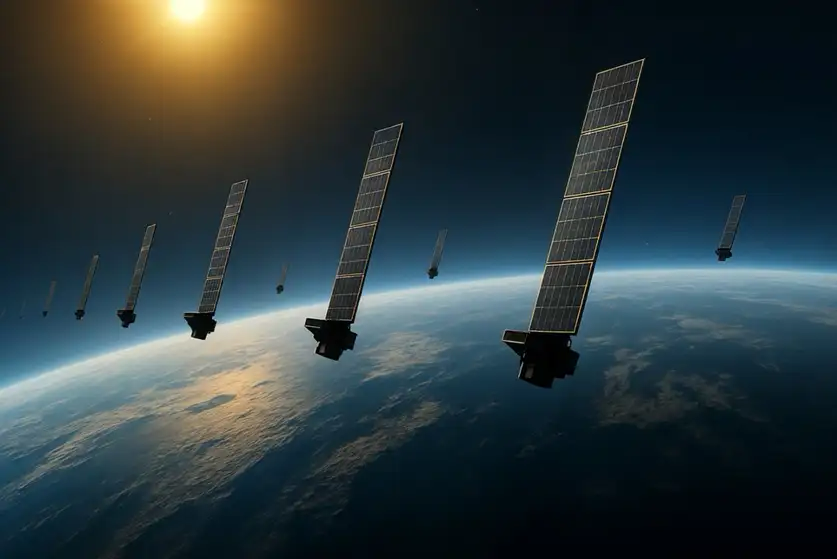


SpaceX achieved a significant milestone on March 16, 2026, when the Starlink constellation reached 10,000 satellites in orbit. The achievement marks another step in the company’s ambitious plan to provide global broadband internet coverage from low Earth orbit, fundamentally altering both the satellite communications industry and the orbital environment itself. The rapid deployment, accomplished in just over six years since the first operational satellites launched, represents an unprecedented rate of satellite construction and launch activity.

The Starlink network provides internet service to customers worldwide, with particular impact in remote and underserved regions where traditional infrastructure remains impractical. Subscribers use a small satellite dish to connect to passing satellites, receiving data directly from space rather than relying on undersea cables or terrestrial networks. The service has gained particular relevance following natural disasters that destroy ground-based infrastructure, providing emergency connectivity when cellular towers and power grids fail.

The constellation’s growth has not proceeded without controversy. Astronomers have raised persistent concerns about satellite brightness affecting ground-based observations of the night sky. The large number of reflective objects in low Earth orbit creates trails in telescope images that can obscure distant celestial objects. SpaceX has implemented various mitigation measures, including darkening treatments on newer satellites and experimental VisorSat designs intended to reduce reflectivity. However, the astronomical community remains divided on whether these efforts adequately address the concerns.

The 10,000-satellite milestone comes as SpaceX continues to expand service capabilities. The company has received regulatory approval to operate nearly 12,000 satellites in the initial constellation and has applied for authorization to add another 30,000 beyond that. Each generation of satellite incorporates improvements in communications bandwidth, onboard processing, and operational lifetime. The most recent versions feature laser inter-satellite links that allow data to hop between satellites without passing through ground stations, reducing latency and expanding coverage to polar regions and oceans far from gateway antennas.

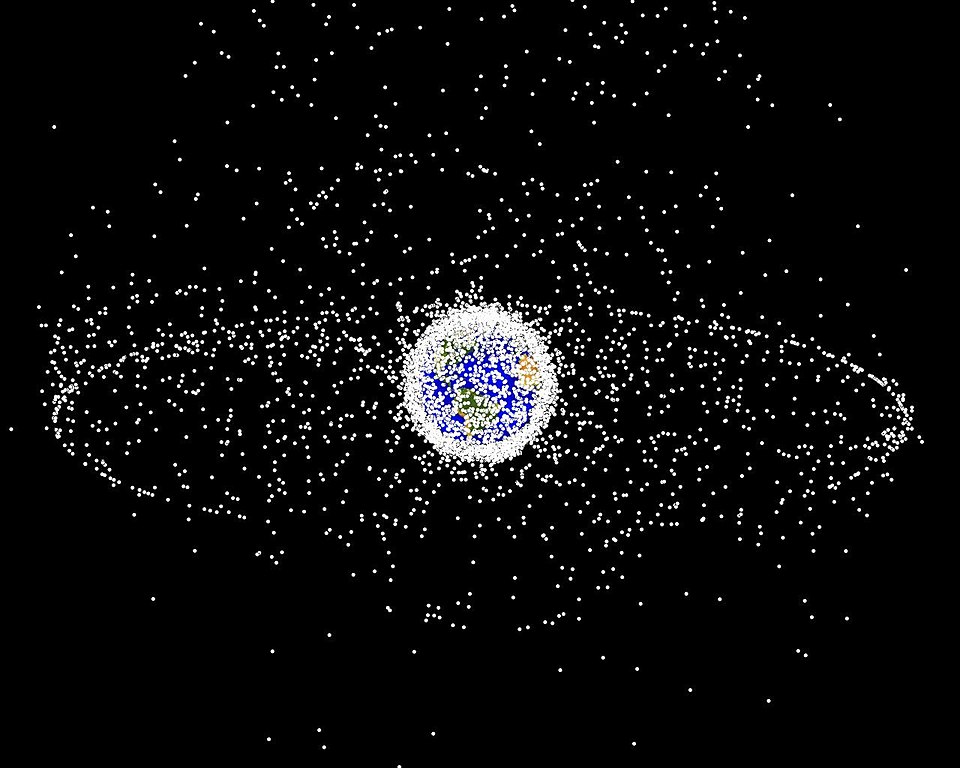
Orbital debris concerns accompany every addition to the constellation. With thousands of satellites operating in similar orbital shells, the risk of collisions increases. SpaceX has equipped its satellites with autonomous collision avoidance systems that calculate potential conjunctions and execute avoidance maneuvers when necessary. The company has also implemented controlled deorbiting procedures, using remaining fuel to direct satellites into Earth’s atmosphere at end of life rather than leaving them as derelict objects. This approach aims to maintain sustainable use of low Earth orbit for future generations.

The commercial success of Starlink has prompted competitors to pursue similar constellation concepts. Amazon’s Project Kuiper, OneWeb, and other companies have announced plans for large satellite networks, though none have reached operational scale. SpaceX’s head start, combined with the company’s vertically integrated launch capability through its Falcon 9 rocket, has created significant competitive advantages that prove difficult for rivals to overcome. The 10,000-satellite milestone underscores how SpaceX has fundamentally changed the economics and scale of satellite communications.

Operating thousands of satellites in coordinated orbits presents unique engineering challenges. Each satellite must maintain precise timing synchronization to enable efficient handoffs as ground terminals transition between coverage areas. The satellites communicate with ground terminals using Ku-band and Ka-band frequencies, with newer generations adding V-band capabilities for increased bandwidth. The challenge lies in managing interference between satellites operating in similar frequency bands while maintaining service quality for millions of simultaneous users.

The constellation operates in shells at various altitudes, typically between 500 and 600 kilometers for polar-orbiting satellites. This altitude provides a balance between coverage area and orbital decay rates, requiring periodic station-keeping maneuvers to maintain altitude. At these altitudes, atmospheric drag remains significant enough that satellites require regular reboosting, consuming propellant that ultimately limits operational lifetime. SpaceX’s newer satellites incorporate improved thruster efficiency to maximize operational duration.


The growing threat of orbital debris has prompted a new generation of cleanup missions, and Isar Aerospace’s recent contract with Astroscale represents a significant step toward commercial active debris removal. Announced on March 16, 2026, the agreement will launch Astroscale’s ELSA-M (End-of-Life Service Mission) aboard Isar’s Spectrum launch vehicle from the company’s facility at Andøya Space in Norway. The mission aims to demonstrate the practical viability of capturing and removing defunct satellites from orbit, addressing what many consider the most pressing sustainability challenge in space exploration.

ELSA-M represents one of the world’s first commercial end-of-life services for satellites designed with docking interfaces. Unlike traditional spacecraft that cannot be captured, satellites built for servicing carry dedicated attachment points and structural provisions that enable a servicing vehicle to approach, rendezvous, and secure the target. Once captured, the servicing spacecraft can either deorbit the retired satellite into Earth’s atmosphere for destruction or relocate it to a disposal orbit.

The mission holds particular significance for Isar Aerospace as the company’s first involvement in an active debris removal project. Stella Guillen, Chief Commercial Officer, emphasized that the contract demonstrates Spectrum’s capability to deliver payloads to the specific orbits required for rendezvous operations, a more demanding requirement than standard satellite deployment. The precision needed for debris removal missions, where the launch vehicle must place the servicing spacecraft in precisely the right orbital plane and altitude, showcases the performance of Isar’s homegrown launch system.

Spectrum represents Isar’s entry into the small satellite launch market, designed, built, and operated entirely in-house with a high degree of automation. The vehicle uses a staged combustion cycle engine running on liquid oxygen and propane, a propellant combination that offers good performance while simplifying storage and handling. The company has focused on manufacturing scalability, using automated processes to increase production rates and reduce per-launch costs.

Astroscale’s ELSA-M mission receives support from the UK Space Agency through the European Space Agency’s ARTES program as part of the Sunrise Partnership Project, a public-private collaboration with satellite operator Eutelsat. The UK subsidiary of Astroscale Holdings Inc. has positioned itself as a leader in orbital debris removal technology, having previously demonstrated its capture capabilities in controlled tests.

The need for active debris removal has become increasingly urgent. Roughly 130 million objects larger than one millimeter orbit Earth, with approximately 36,000 objects large enough to cause catastrophic damage if they struck an operational spacecraft. Collisions between debris objects create additional fragments in a cascading process known as the Kessler Syndrome, potentially rendering entire orbital regions unusable for future missions.

Active debris removal requires spacecraft to perform complex relative navigation in three-dimensional space. Unlike launching a payload to a specific orbit, rendezvous operations demand precise control of position and velocity in relation to a target that may be tumbling or in an unpredictable orientation. The chaser spacecraft must approach slowly and carefully, typically using a combination of laser rangefinders, infrared sensors, and cameras to determine relative position.

Capture mechanisms vary depending on target design. For satellites built with servicing interfaces, magnetic or mechanical docking systems provide a secure connection. For legacy satellites lacking such provisions, alternative approaches include deploying nets, using robotic arms, or employing gripper mechanisms that attach to existing structural elements. The ClearSpace-1 mission being developed by ESA will test a four-armed robotic capture system designed to grab a defunct upper stage.

After capture, the debris removal spacecraft must perform a deorbit burn to lower the combined system’s perigee into the upper atmosphere, where drag causes eventual reentry and destruction. This process typically requires significant propellant, which is why servicing spacecraft carry substantial fuel reserves. The ultimate goal is to ensure that debris objects reenter within 25 years, the guideline established by the United Nations Committee on the Peaceful Uses of Outer Space for responsible space stewardship.


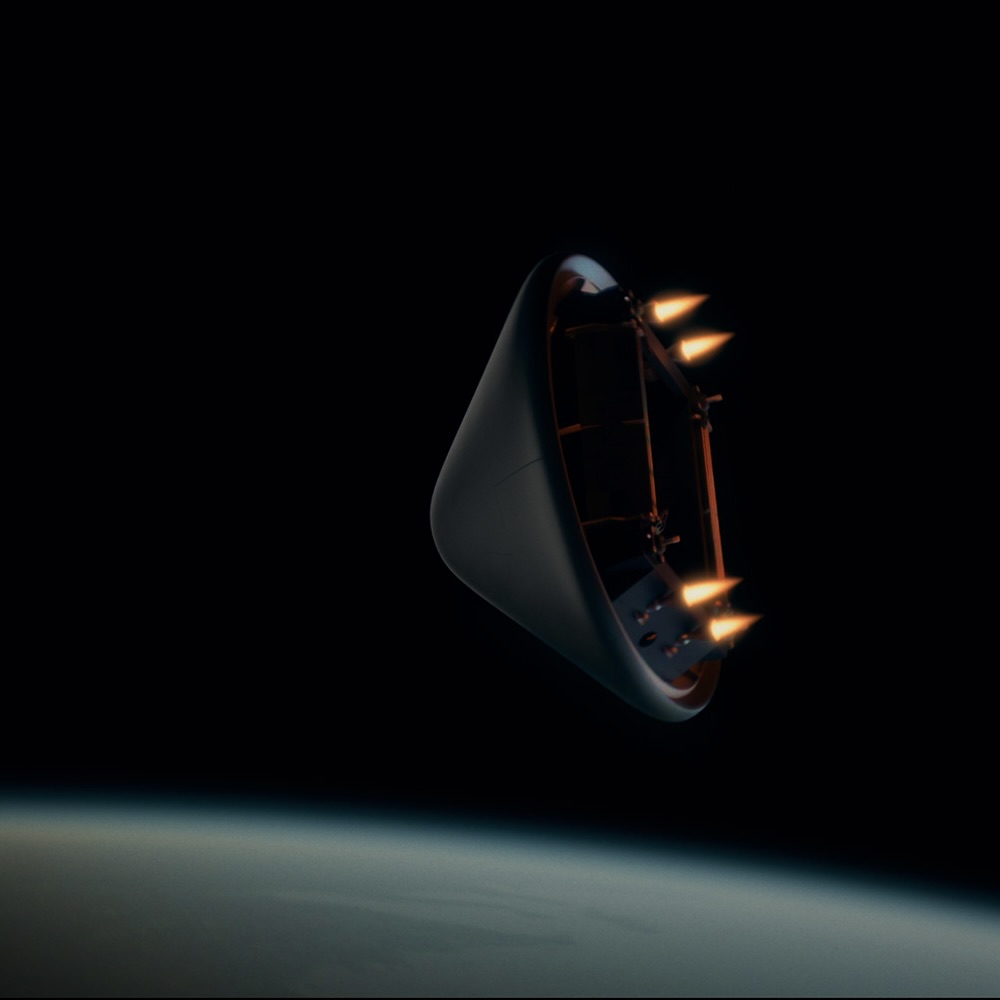
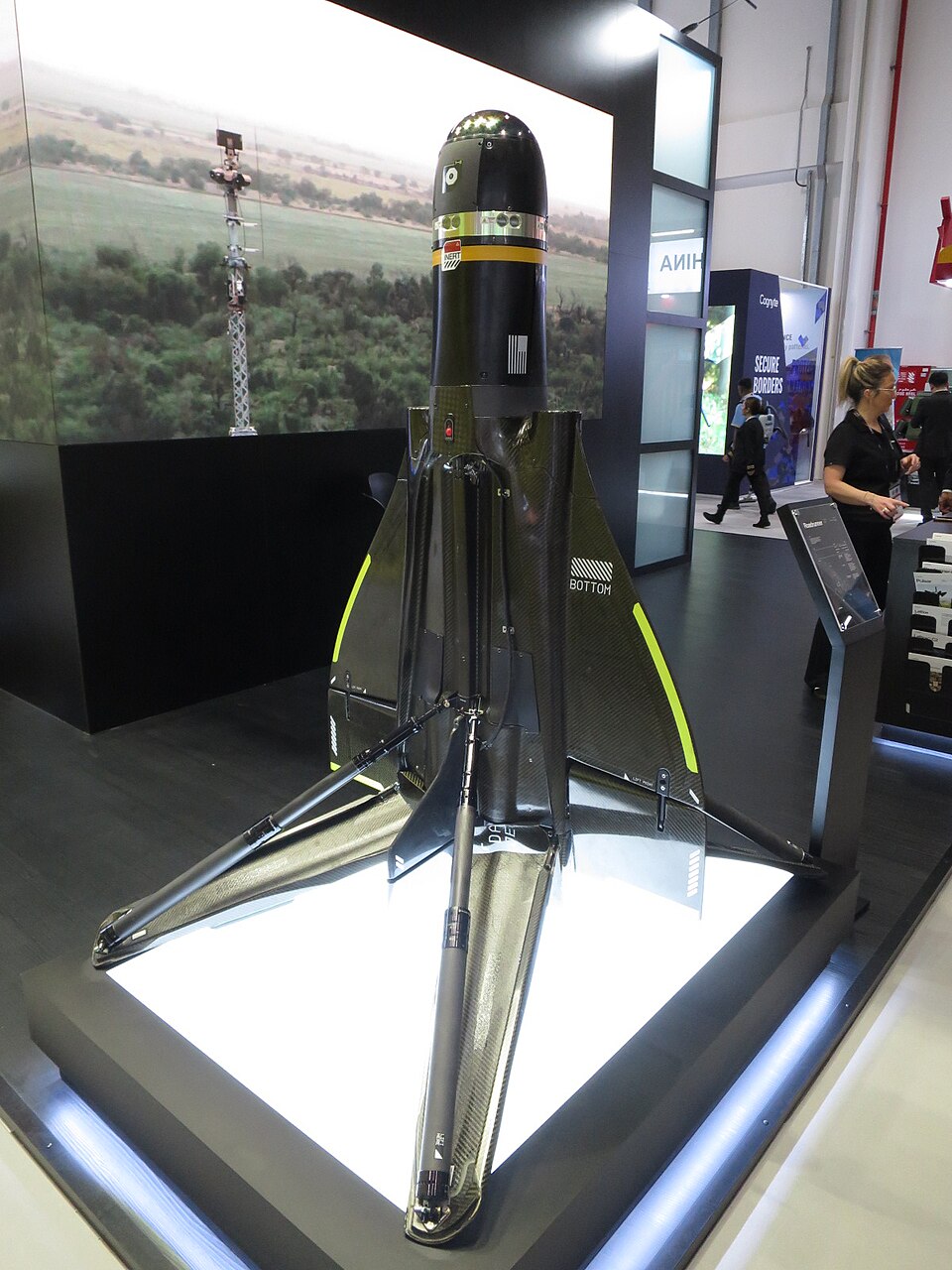
A startup led by a SpaceX veteran is working to bring reusability to satellites, raising $10 million in seed funding to develop spacecraft that can return to Earth with their payloads intact. Lux Aeterna, founded by Brian Taylor in December 2024, aims to transform the satellite industry by enabling satellites to be refurbished and upgraded rather than discarded after their operational life ends.

Taylor previously helped build satellites for SpaceX’s Starlink constellation and Amazon’s Project Kuiper. His new company emerged from stealth mode last year and announced the seed round in March 2026, led by Konvoy with participation from several venture capital firms specializing in space and aerospace. The funding will support the design and construction of Lux Aeterna’s Delphi spacecraft, which has a confirmed spot on a SpaceX rocket scheduled for launch in the first quarter of 2027.

The Delphi mission will offer customers the opportunity to test hosted payloads and materials in space before returning them to Earth at Australia’s Koonibba Test Range through a partnership with Southern Launch. This approach addresses one of the fundamental challenges in spaceflight: surviving the extreme heat generated during reentry into Earth’s atmosphere at high velocities.

Currently, most satellites are not designed for return journeys. The heat shield materials required to survive reentry add significant weight, which increases launch costs. This economic constraint limits reentry-capable vehicles to those carrying humans, such as the Space Shuttle or SpaceX’s Dragon spacecraft, or specialized reentry capsules like those built by Varda Space and Inversion.

Varda has completed five missions, returning capsules successfully on four occasions. Inversion plans to launch its Arc vehicle later this year. These companies focus on returning experimental results or delivering cargo, but Lux Aeterna has a broader vision: making communications and Earth observation satellites reusable.

The business case for reusable satellites rests on extending operational life. Satellites currently last five to ten years due to component failures, propellant depletion, or obsolescence. After their useful life ends, they either burn up in the atmosphere or are moved to graveyard orbits. Lux Aeterna proposes a different approach: returning satellites to Earth, upgrading or refurbishing key components such as computers or sensors, and launching them again.

This “dynamic upgrade capability” could allow satellite operators to refresh their fleets without building entirely new spacecraft. Rather than abandoning functional platforms when technology becomes outdated, operators could bring satellites down and install new payloads, potentially reducing the total cost of maintaining a constellation.

The regulatory environment presents challenges. Obtaining reentry licenses for landings in the United States requires extensive review. Varda experienced delays as it worked with the FAA to demonstrate that its returning capsule would not threaten people or property on the ground. Since then, Varda has conducted subsequent missions landing in Australia. Taylor believes the FAA will learn alongside the developing reentry industry and eventually support increased return frequencies.

The potential applications for reliable satellite return extend beyond communications and Earth observation. Manufacturing pharmaceuticals or high-end electronics in microgravity, testing new materials in orbit, and harvesting resources from asteroids all require the ability to return payloads to Earth. The U.S. military has also expressed interest in orbital logistics and rapid component testing.

Taylor emphasized that the company’s investors recognize the timing for this paradigm shift in orbital operations. The goal is not merely to prove reentry technology but to bring reusability to a much larger segment of the satellite industry. If successful, this approach could fundamentally change how satellites are designed, operated, and maintained over their operational lifespans.


Defense technology company Anduril Industries announced on March 11, 2026, that it has signed a definitive agreement to acquire ExoAnalytic Solutions, a firm specializing in space situational awareness and missile defense tracking. The acquisition will significantly expand Anduril’s presence in the space surveillance market and support the company’s ambitions in national security capabilities.

ExoAnalytic Solutions, based in Orange County, California, provides satellite and missile tracking services to government and commercial customers. The company operates a network of sensors capable of detecting, tracking, and cataloging objects in Earth orbit. This capability has become increasingly important as concerns grow about orbital congestion, potential collisions, and the militarization of space.

Anduril plans to fully absorb ExoAnalytic, adding approximately 130 employees to its space sector workforce. The company stated that the acquisition will significantly scale the impact available for national security missions. The deal aligns with broader Pentagon interests in enhancing space-based surveillance and tracking capabilities.

The acquisition comes amid heightened U.S. government focus on space domain awareness. The Department of Defense maintains the United States Space Surveillance Network, which tracks objects larger than approximately 10 centimeters in low Earth orbit and larger objects at greater distances. Commercial providers like ExoAnalytic supplement government capabilities with additional sensor networks and data analysis services.

Anduril has positioned itself as a defense technology disruptor, developing autonomous systems, sensors, and software for military applications. The company has expanded rapidly in recent years, pursuing contracts across multiple domains including air defense, maritime surveillance, and now space operations.

The deal also reflects growing interest in space-based assets for missile defense and early warning purposes. ExoAnalytic’s tracking capabilities can support detection of missile launches, trajectory prediction, and assessment of reentry vehicles. These functions align with U.S. missile defense architecture and have gained urgency given evolving global threat landscapes.

Industry analysts note that consolidation in the space surveillance market reflects broader trends in defense contracting, where established primes and emerging technology companies are competing to provide capabilities for next-generation military space systems. Anduril’s acquisition of ExoAnalytic positions the company to compete for contracts related to the U.S. Space Force’s space surveillance and tracking requirements.

The announcement did not disclose financial terms of the acquisition. Anduril stated that ExoAnalytic will continue operating from its current locations while integrating into Anduril’s broader platform and capabilities portfolio.


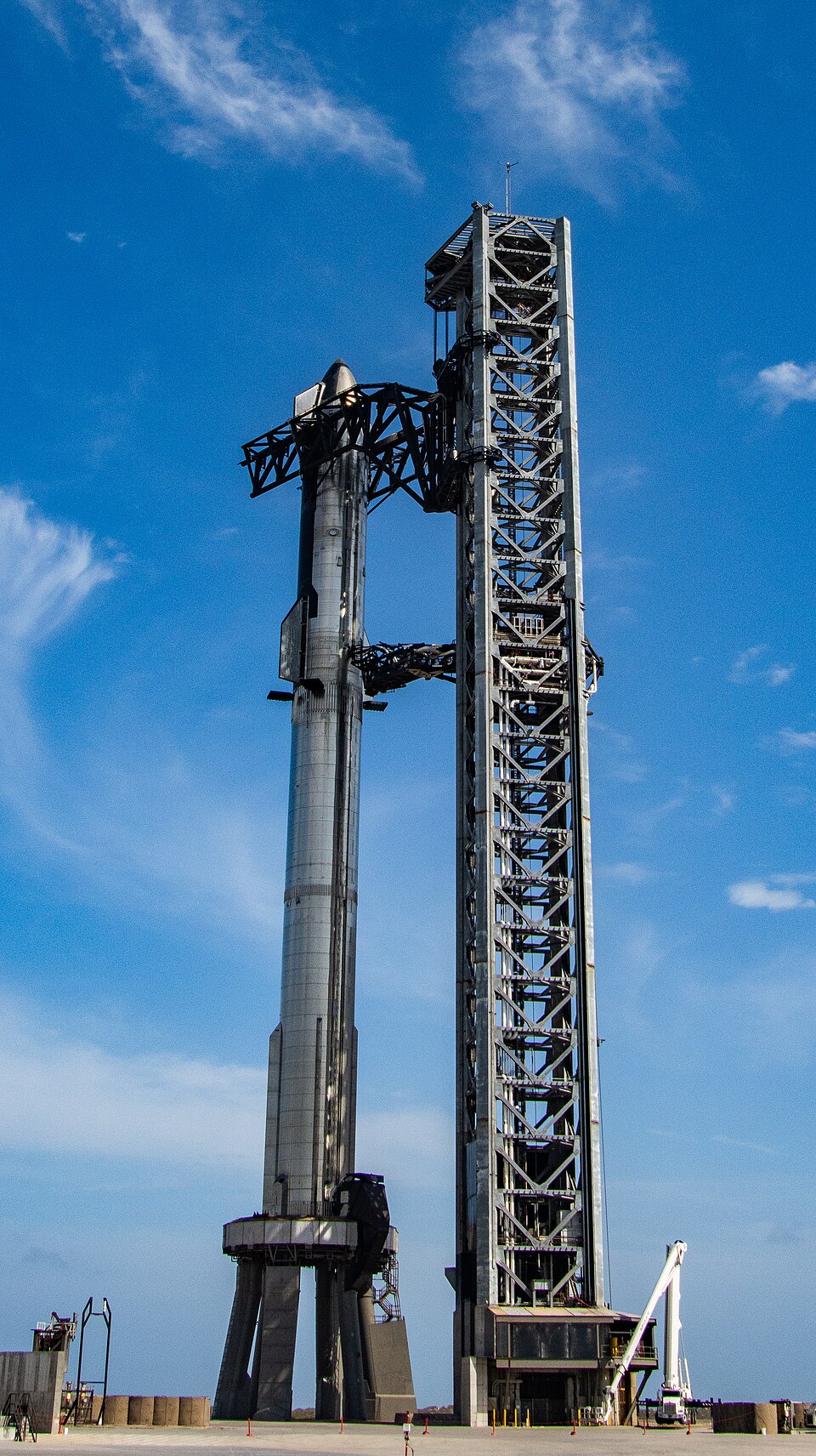
SpaceX has completed cryoproof testing of the Starship upper stage assigned to the next flight, designated Ship 39, moving the company closer to its first Starship launch of 2026. During testing the week of March 7, 2026, engineers examined the vehicle’s redesigned propellant system and its structural strength, including squeeze tests that mimic the forces involved in future ship catches by the Mechazilla arms at Starbase in Texas.

CEO Elon Musk stated on social media that the launch is approximately four weeks away, targeting April 2026 for Flight 12. This marks another delay from earlier projections, as the company continues to refine the vehicles and procedures necessary for the massive fully-stacked Starship system.

The testing conducted in early March represented one of the final major milestones before the launch authorization process begins. SpaceX has pursued an aggressive testing schedule with Starship, using each flight to gather data and implement improvements for subsequent vehicles. Ship 39 incorporates several design changes from earlier test articles, particularly in the propellant storage and delivery systems that are critical to achieving the vehicle’s performance goals.

Starship consists of two stages: the Super Heavy booster and the Starship upper stage. Together, the system stands approximately 123 meters tall and uses liquid methane and liquid oxygen as propellants. The vehicle is designed to be fully reusable, with both stages intended to return to Earth for refurbishment and reflight. This reusability is central to SpaceX’s vision for dramatically reducing the cost of accessing space.

The company has conducted six full-stack Starship flights to date, with varying degrees of success. Each mission has provided engineering data that informed modifications to later vehicles. The program has progressed from initial short hops to increasingly complex maneuvers, including attempts at booster catches using the tower-based Mechazilla system.

SpaceX operates Starship from its Starbase facility in Boca Chica, Texas, where the company has constructed extensive production and launch infrastructure. The location on the Gulf Coast provides access to convenient launch trajectories and recovery areas. The company has also received approval to launch Starship from Kennedy Space Center Launch Complex 39A for future missions.

NASA’s Artemis program depends on a human-rated version of Starship serving as the lunar lander for Artemis III and subsequent missions. The space agency selected Starship for this critical role based on its technical capabilities and development progress. Continued successful testing of the SpaceX system remains important to NASA’s lunar exploration timeline.

The upcoming Flight 12 will represent another step in SpaceX’s iterative development approach, gathering additional data on vehicle performance and operational procedures. The company has not announced specific objectives for the mission beyond the standard goals of testing flight characteristics and system reliability.