
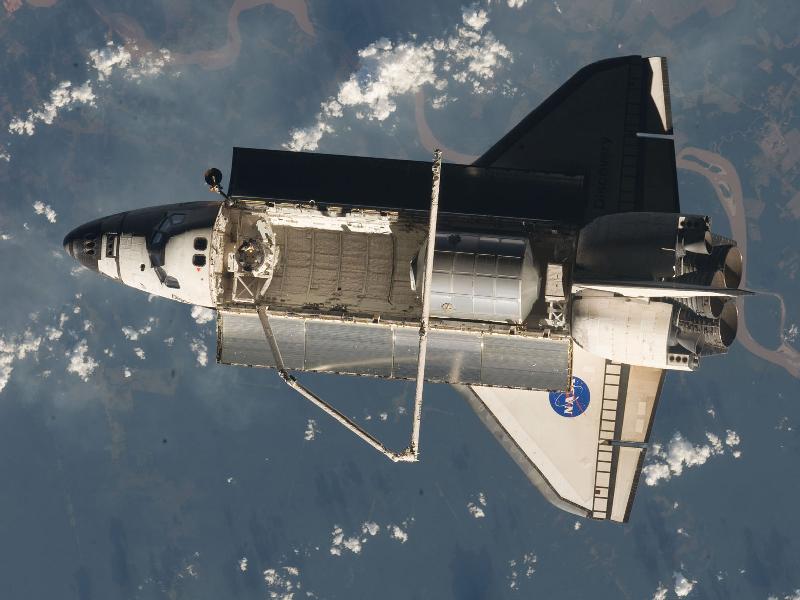
This week you can see an image of Cygnus X-1, where the first black hole was discovered, read about the STS-128 mission, an update on the Project Constellation launch systems, space-based solar power, an overview of advanced propulsion options, efforts to adapt plants to survive the harsh conditions on Mars, and much more.
Spacewalkers were John Olivas and Christer Fuglesang. The STS-128 EVA #3 total time was seven hours and one minute. This was the final EVA of the STS-128 mission.
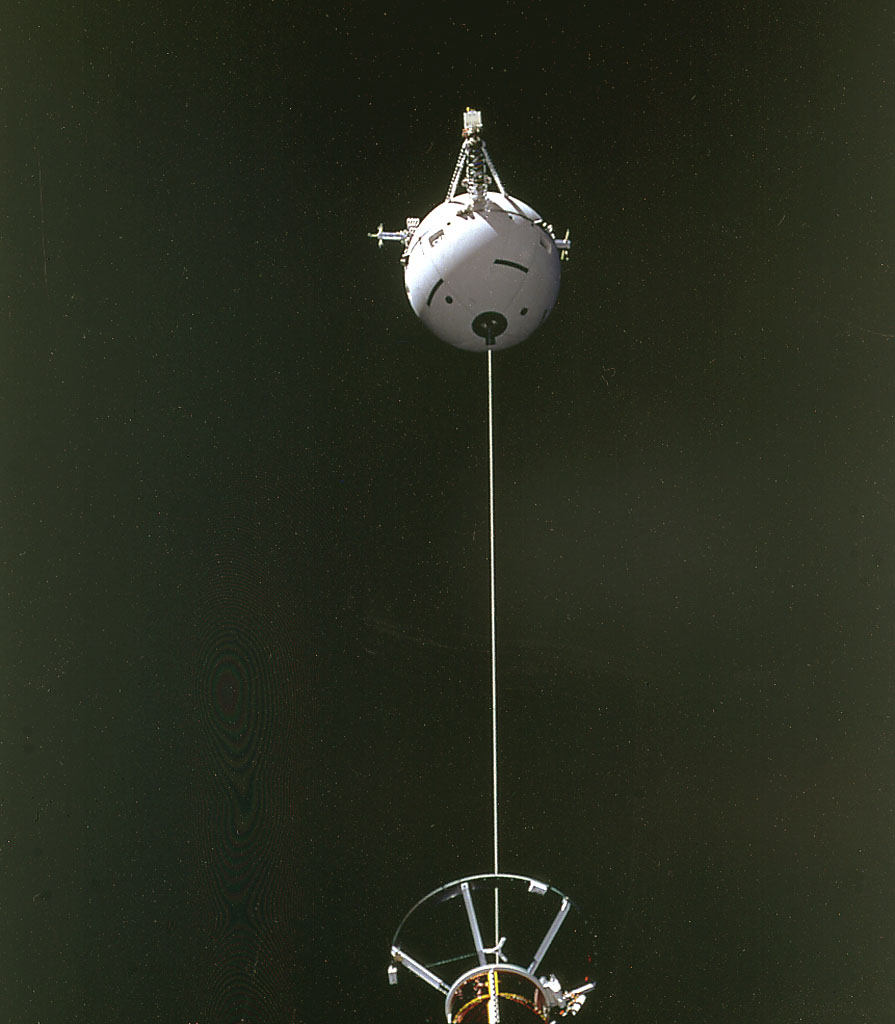
This week you can read about the Mars Reconnaissance Orbiter, fractal patterns, the Wide-field Infrared Survey Explorer, the ten-year anniversary of the release of the historic first-light image by Chandra, space tethers and their many uses, learn how robotic spacecraft get to a specific and precise destination, and much more.
XCOR Aerospace has reached several significant milestones in the 5K18 rocket engine test program. The engine is powered by liquid oxygen and kerosene and can produce up to 2900 lbf of thrust. The XCOR\’s Lynx suborbital spacecraft will use four 5K18 engines and it will be able to perform suborbital flights.
“Like all of our rocket engines, this engine has demonstrated the ability to be stopped and re-started using our safe and reliable spark torch ignition system”, said XCOR CEO Jeff Greason. “The basic cooling design has also been completed and the engine is able to run continuously at thermal equilibrium. With those milestones reached, the 5K18 test program is now moving forward into a second phase of tuning and optimization, in which we will also greatly increase our cumulative run time.”





