


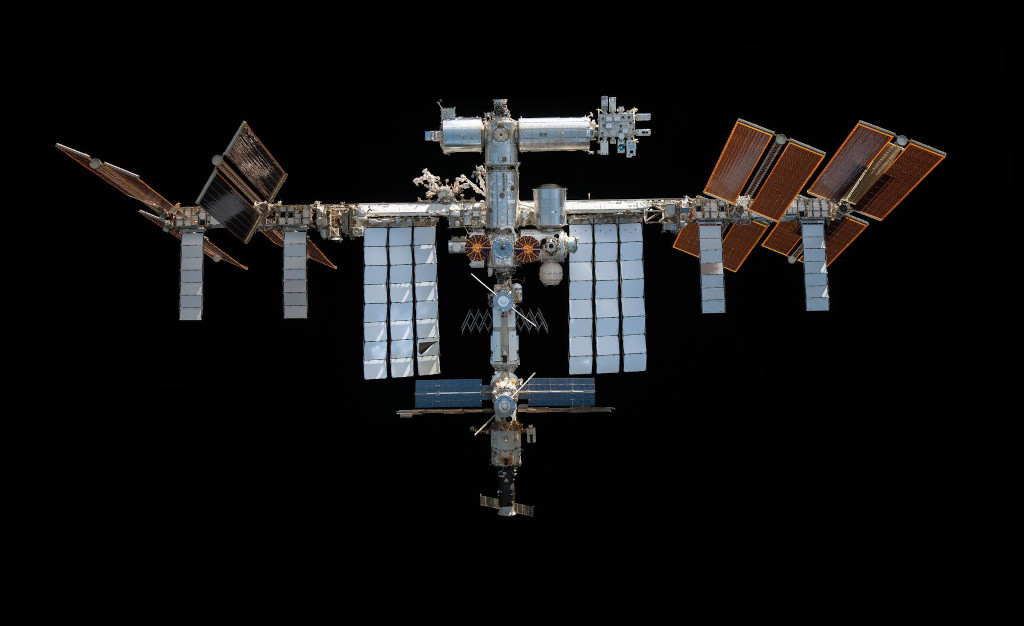
The United States Congress has directed NASA to extend International Space Station operations through 2032, marking a significant shift from the previous retirement target of 2030. The directive appears in the NASA Authorization Act of 2026, which also includes provisions for establishing a permanent lunar base and developing commercial space station capabilities.
The extension addresses concerns about continuity of human spaceflight capability between the ISS era and the emergence of commercial space stations. NASA had planned to deorbit the station in 2030, allowing it to burn up over a remote ocean area. However, the commercial alternatives expected to replace ISS capabilities have not yet reached operational status.
The legislation reflects congressional skepticism about NASA’s timeline for transitioning to commercial stations. Companies including Axiom Space, Voyager Space, and Blue Origin are developing privately-owned orbital platforms, but each faces significant development challenges. The extended ISS lifetime provides a buffer in case commercial stations encounter delays.
International partnerships add complexity to the extension. The ISS involves NASA, Roscosmos, JAXA, ESA, and CSA, with Russia notably announcing plans to withdraw from the project. Any extension requires coordination with international partners, and political tensions may complicate negotiations. The station’s Russian segment has experienced reliability issues, and continued Russian participation remains uncertain.
The station itself has operated continuously since 1998, making it one of the longest-running human spaceflight platforms in history. Its modular design has allowed continuous upgrades and additions over more than two decades of continuous human occupation. However, aging systems require increasing maintenance, and the station’s solar arrays have degraded over time.
Commercial station developers view the extension as both an opportunity and a challenge. The longer ISS lifetime provides additional market opportunity for cargo and crew services, but delays the potential revenue from commercial station operations. Companies had structured their business plans around the 2030 retirement timeline, and the extension may require reassessment of development schedules.
NASA has advocated for the extension, arguing that maintaining human spaceflight capability in low Earth orbit serves both scientific and strategic interests. The station supports research in biology, physics, and materials science, and provides a platform for understanding long-duration spaceflight effects critical to future deep space missions.
The authorization act also addresses spacesuit development, directing NASA to obtain the capability to develop spacesuits independently. Currently, NASA relies on Axiom Space for the suits planned for lunar missions, following Collins Aerospace’s withdrawal from the program in 2024. This directive aims to ensure multiple sources for critical spaceflight hardware.
Looking beyond 2032, the transition to commercial stations will require careful coordination. NASA plans to be one customer among several for commercial platforms, avoiding the single-vendor dependency that characterized the commercial crew competition.
 Subscribe to our RSS feed









There are no comments.
Add A Comment