


The microgravity research sector crossed $4 billion in market value during early 2026, according to industry analysis published in March. This milestone reflects growing commercial interest in conducting scientific experiments and manufacturing processes in orbital environments where gravity’s effects are dramatically reduced.
Commercial satellite launches have accelerated at approximately 15 percent annually, according to the same analysis, creating expanded infrastructure for payload deployment and in-orbit operations. The convergence of more launch opportunities and increased research interest is driving investment in dedicated commercial space platforms.
The International Space Station remains the primary venue for microgravity research, hosting experiments from NASA, ESA, JAXA, and commercial customers. However, private stations planned for launch later in the decade will add significant capacity. Companies including Axiom Space, Voyager Space, and Orbital Reef are developing commercial orbital outposts designed specifically for research and manufacturing.
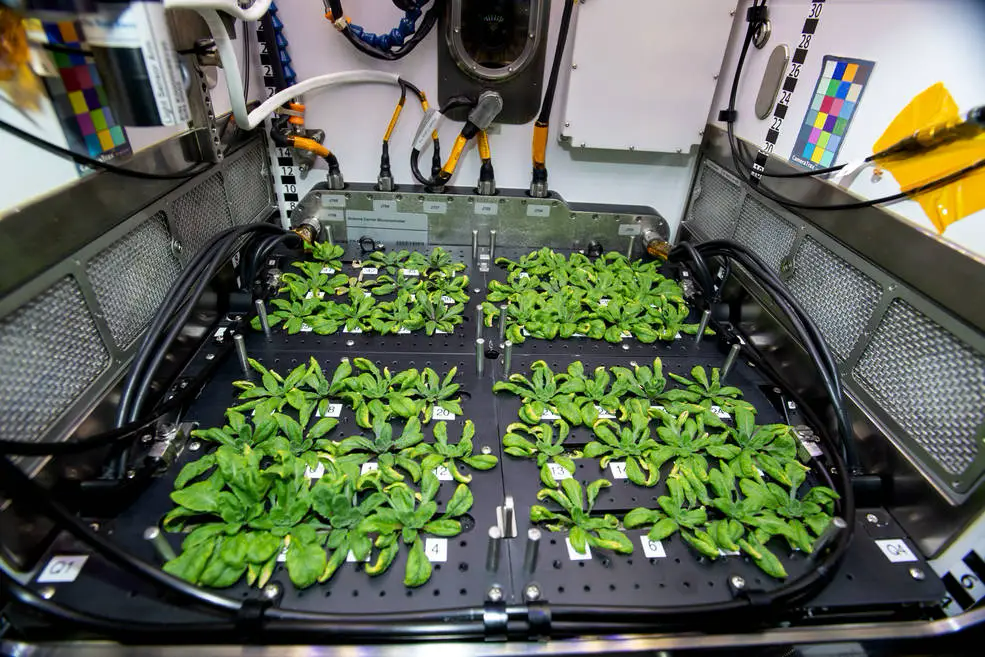
Research conducted in microgravity spans multiple disciplines. Protein crystallization experiments have demonstrated improved crystal quality compared to Earth-based methods, potentially accelerating pharmaceutical development. Materials processing leverages the absence of convection and sedimentation to create novel alloys and optical components. Biological studies examine how organisms adapt to spaceflight, providing insights relevant to long-duration human space missions.
The United Kingdom opened a microgravity research centre in Swansea in March 2026, joining a growing list of national programs supporting orbital science. Space Forge, a UK-based company, successfully generated plasma in orbit in late 2025, demonstrating conditions necessary for advanced crystal growth aboard commercial spacecraft. Such capabilities could eventually enable manufacturing processes impractical on Earth.
Defense contractors have also increased investment in orbital research, driven by applications including advanced materials for aircraft and spacecraft, sensors for surveillance systems, and fundamental physics investigations. The intersection of commercial and defense interests is creating a broader industrial base for space-based research.
The $4 billion figure encompasses launch services, orbital platform operations, experiment hardware, and downstream data analysis. Market researchers project continued growth as more commercial stations come online and as pharmaceutical and materials companies demonstrate returns on orbital research investments. Whether the sector maintains current growth rates will depend partly on launch cost trends and the success of early commercial station deployments.


 Subscribe to our RSS feed













There are no comments.
Add A Comment