


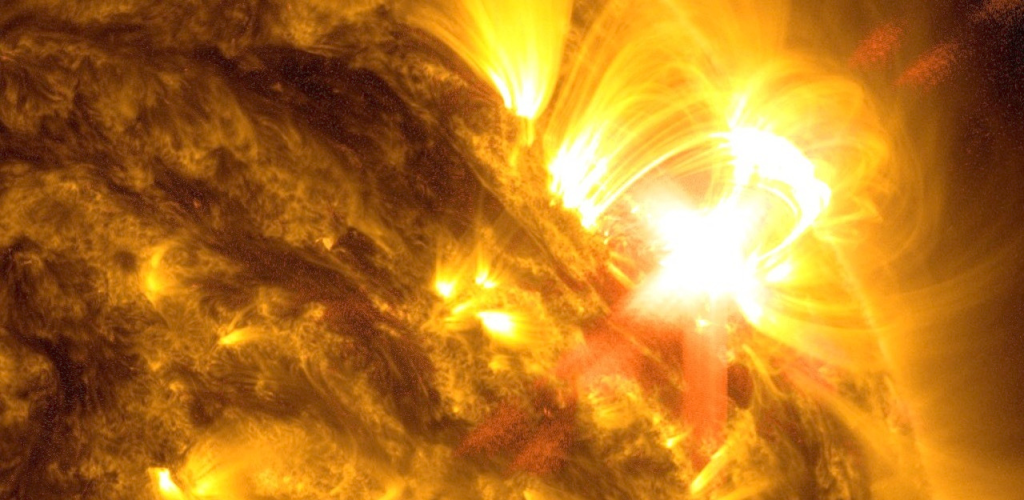
New scientific analysis suggests NASA’s Artemis 2 mission should not launch until the second half of 2026 due to elevated solar superflare activity. Dr. Ignacio Jose Velasco Herrera published findings indicating the Sun is experiencing a period of increased superflare risk that could pose radiation hazards to astronauts aboard the Orion spacecraft.
The research identifies mid-2025 through mid-2026 as a period of elevated superflare probability. The Sun’s current activity cycle has produced several powerful solar eruptions, and the analysis suggests the peak danger period coincides with Artemis 2’s planned launch window. Superflares represent extreme versions of normal solar eruptions, capable of releasing enormous amounts of radiation into space.
While Earth’s atmosphere protects terrestrial life from solar radiation, astronauts in deep space face potentially dangerous exposure levels. The Orion spacecraft provides substantial radiation shielding, including a storm shelter design for solar particle events. However, mission planners must balance the benefits of the lunar flyby mission against the risks of heightened radiation exposure.
The four Artemis 2 astronauts continue training regardless of the launch schedule. Commander Reid Wiseman, Pilot Victor Glover, and Mission Specialists Christina Koch and Jeremy Hansen have progressed through extensive preparation for the first crewed lunar flyby since Apollo 8. NASA will review the superflare analysis in coming months before finalizing the launch timeline.
Artemis 2 represents the first crewed flight of NASA’s post-Apollo lunar program. The mission will send the Space Launch System rocket and Orion spacecraft on a trajectory that loops around the Moon before returning to Earth. Success would pave the way for Artemis 3, which aims to land astronauts on the lunar surface, the first human Moon landing since 1972.
The solar activity concern adds to existing schedule pressures for the Artemis program. The SLS rocket and Orion spacecraft have experienced development delays, and the ground systems at Kennedy Space Center require extensive preparation for crewed launches. The mission originally targeted 2024 but has slipped multiple times.
Solar activity forecasting has improved considerably in recent decades, but predicting specific superflare events remains challenging. Scientists can identify periods of elevated risk based on solar cycle patterns and sunspot activity, but the exact timing and magnitude of individual events cannot be predicted precisely. This uncertainty informs the recommendation to avoid the entire elevated-risk period rather than attempting to time a specific launch window.
The Sun’s current activity cycle is among the most vigorous in recorded history. Space weather events have already affected satellite operations and ground-based infrastructure, highlighting the practical importance of understanding solar behavior. For human spaceflight, the stakes are even higher, as astronauts cannot shelter from cosmic radiation as easily as electronic systems can be hardened.
NASA’s approach to space weather has evolved following lessons from earlier programs. The agency maintains space weather forecasting capabilities and has developed procedures for protecting crew during solar events. For Artemis 2, the decision whether to delay involves weighing these protective measures against the risks of operating during a known period of elevated activity.
The Artemis program represents humanity’s most ambitious lunar exploration effort in decades. The success of Artemis 2 as a crewed shakedown flight is critical to subsequent missions, including lunar surface operations and eventually Mars missions. Ensuring crew safety during this foundational flight takes precedence over maintaining an aggressive schedule.
 Subscribe to our RSS feed









There are no comments.
Add A Comment