


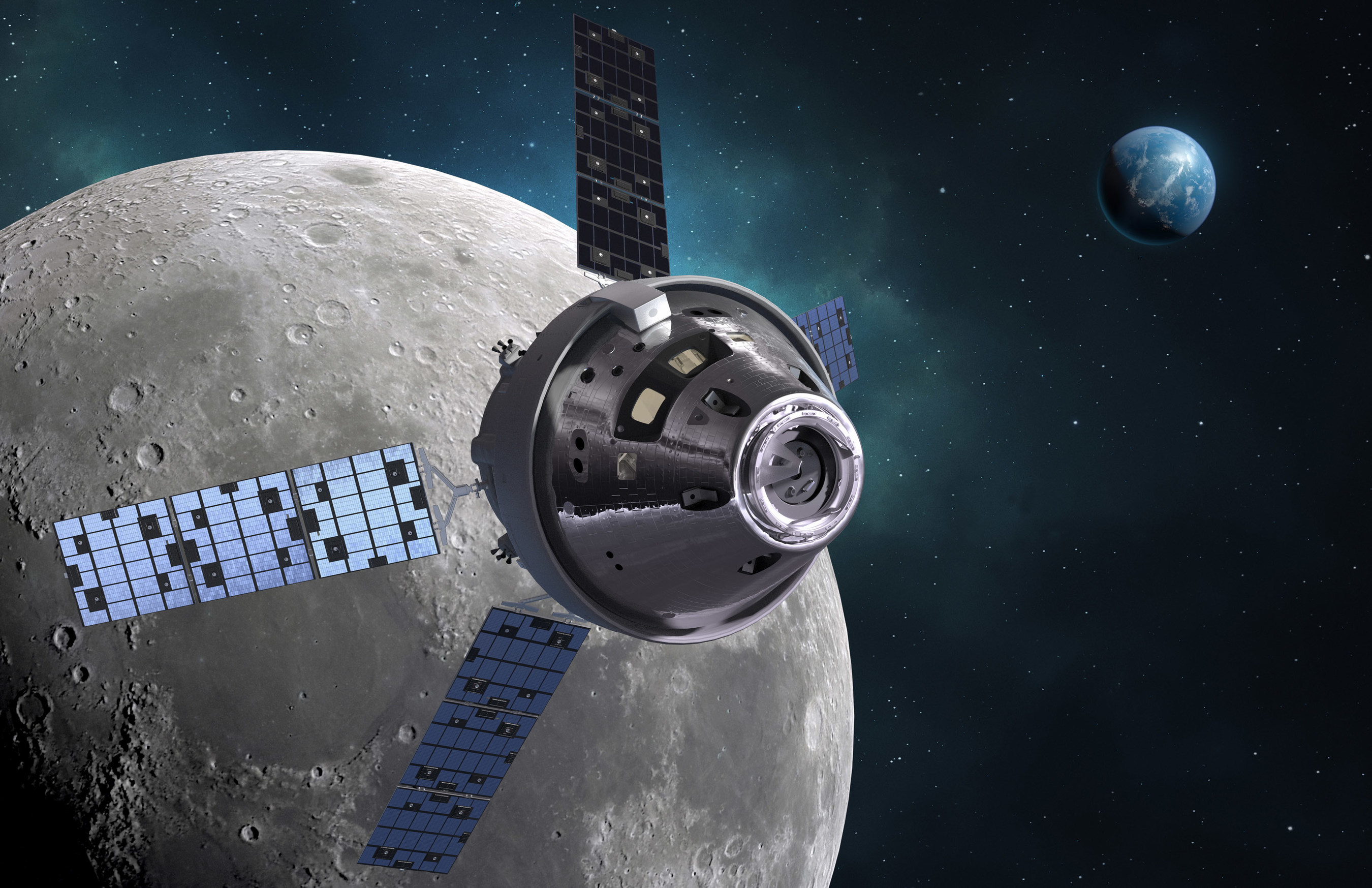
NASA has confirmed that the Artemis II mission will launch no earlier than April 1, 2026, marking the first crewed lunar journey since Apollo 17 departed the Moon in December 1972. The mission represents the culmination of years of development and testing of the Space Launch System rocket and Orion spacecraft, both designed to return humans to deep space.
The Artemis II crew consists of four astronauts: Commander Reid Wiseman, Pilot Victor Glover, Mission Specialist Christina Koch, and Canadian Space Agency astronaut Jeremy Hansen. These four will spend approximately 10 days on a trajectory that takes them around the Moon and back to Earth, testing the systems that will be essential for subsequent Artemis missions targeting lunar surface operations.
The flight readiness review process has taken longer than initially planned. Engineers identified and addressed a hydrogen leak in the core stage during earlier launch attempts in February 2026. Then, in late February, technicians discovered issues with helium flow to the upper stage of the rocket. Helium serves multiple critical functions, including propellant line purging and fuel tank pressurization. These technical challenges prompted NASA to roll the rocket back from Launch Complex 39B at Kennedy Space Center for servicing.
The SLS rocket returned to the Vehicle Assembly Building where repairs were completed. NASA announced in mid-March 2026 that the vehicle would roll back to the launch pad no earlier than March 19, with the new launch target of April 1. The agency emphasized that the additional time allowed teams to ensure all systems meet the requirements for a crewed mission.
Artemis II builds directly on the success of Artemis I, an uncrewed test flight that launched in 2022 and sent Orion on a 25-day journey around the Moon. That mission validated the spacecraft’s heat shield, navigation systems, and life support equipment in the harsh environment of deep space. The crewed flight will add the human element, testing how astronauts interact with vehicle systems and how the spacecraft performs with people aboard.
The mission profile involves Orion separating from the Interim Cryogenic Propulsion Stage after reaching Earth orbit, then performing a translunar injection burn to send the spacecraft toward the Moon. The crew will orbit the Moon at a distance of approximately 8,900 kilometers before performing a return trajectory back to Earth. Splashdown in the Pacific Ocean will conclude the mission.
Artemis II serves as a stepping stone toward the ambitious Artemis program goals, which include establishing a sustained human presence on and around the Moon through the Lunar Gateway space station and surface missions with the help of commercial partners. The data gathered from this flight will inform the planning for Artemis III, which aims to land astronauts on the lunar south pole.
The astronauts continue training throughout the delays, maintaining proficiency with vehicle systems and procedures. NASA managers have stated that crew safety remains the paramount consideration in all launch decisions, and the additional time on the ground ensures the mission can proceed with confidence when the conditions are right.
 Subscribe to our RSS feed









There are no comments.
Add A Comment