


Lux Aeterna’s $10 Million Raise Signals Push for Reusable Satellites
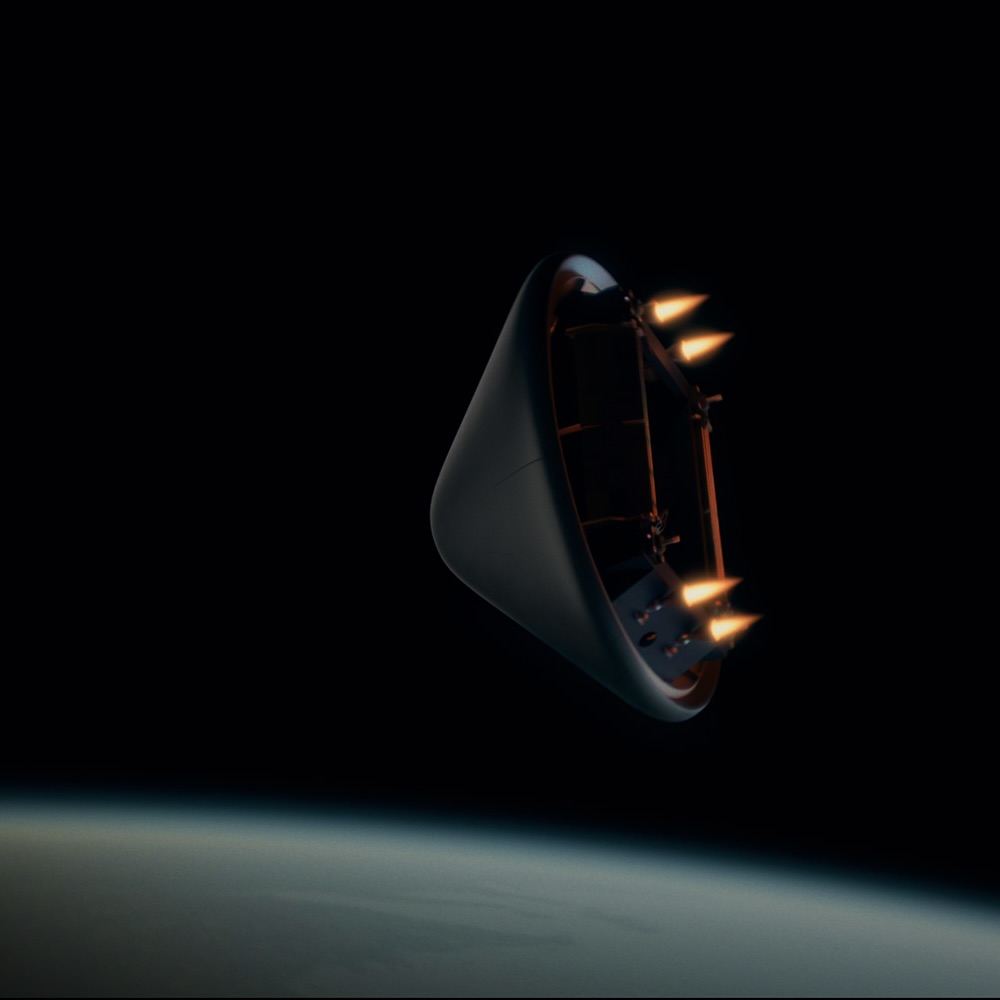
A startup led by a SpaceX veteran is working to bring reusability to satellites, raising $10 million in seed funding to develop spacecraft that can return to Earth with their payloads intact. Lux Aeterna, founded by Brian Taylor in December 2024, aims to transform the satellite industry by enabling satellites to be refurbished and upgraded rather than discarded after their operational life ends.
Taylor previously helped build satellites for SpaceX’s Starlink constellation and Amazon’s Project Kuiper. His new company emerged from stealth mode last year and announced the seed round in March 2026, led by Konvoy with participation from several venture capital firms specializing in space and aerospace. The funding will support the design and construction of Lux Aeterna’s Delphi spacecraft, which has a confirmed spot on a SpaceX rocket scheduled for launch in the first quarter of 2027.
The Delphi mission will offer customers the opportunity to test hosted payloads and materials in space before returning them to Earth at Australia’s Koonibba Test Range through a partnership with Southern Launch. This approach addresses one of the fundamental challenges in spaceflight: surviving the extreme heat generated during reentry into Earth’s atmosphere at high velocities.
Currently, most satellites are not designed for return journeys. The heat shield materials required to survive reentry add significant weight, which increases launch costs. This economic constraint limits reentry-capable vehicles to those carrying humans, such as the Space Shuttle or SpaceX’s Dragon spacecraft, or specialized reentry capsules like those built by Varda Space and Inversion.
Varda has completed five missions, returning capsules successfully on four occasions. Inversion plans to launch its Arc vehicle later this year. These companies focus on returning experimental results or delivering cargo, but Lux Aeterna has a broader vision: making communications and Earth observation satellites reusable.
The business case for reusable satellites rests on extending operational life. Satellites currently last five to ten years due to component failures, propellant depletion, or obsolescence. After their useful life ends, they either burn up in the atmosphere or are moved to graveyard orbits. Lux Aeterna proposes a different approach: returning satellites to Earth, upgrading or refurbishing key components such as computers or sensors, and launching them again.
This “dynamic upgrade capability” could allow satellite operators to refresh their fleets without building entirely new spacecraft. Rather than abandoning functional platforms when technology becomes outdated, operators could bring satellites down and install new payloads, potentially reducing the total cost of maintaining a constellation.
The regulatory environment presents challenges. Obtaining reentry licenses for landings in the United States requires extensive review. Varda experienced delays as it worked with the FAA to demonstrate that its returning capsule would not threaten people or property on the ground. Since then, Varda has conducted subsequent missions landing in Australia. Taylor believes the FAA will learn alongside the developing reentry industry and eventually support increased return frequencies.
The potential applications for reliable satellite return extend beyond communications and Earth observation. Manufacturing pharmaceuticals or high-end electronics in microgravity, testing new materials in orbit, and harvesting resources from asteroids all require the ability to return payloads to Earth. The U.S. military has also expressed interest in orbital logistics and rapid component testing.
Taylor emphasized that the company’s investors recognize the timing for this paradigm shift in orbital operations. The goal is not merely to prove reentry technology but to bring reusability to a much larger segment of the satellite industry. If successful, this approach could fundamentally change how satellites are designed, operated, and maintained over their operational lifespans.
 Subscribe to our RSS feed









There are no comments.
Add A Comment