


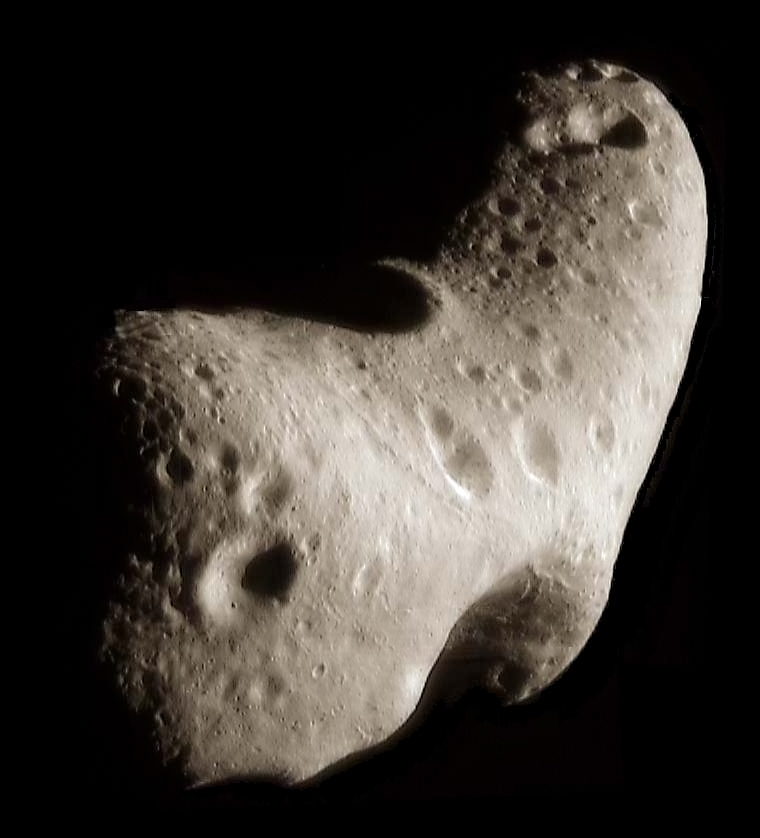
TransAstra, a NASA-backed startup, announced in March 2026 a groundbreaking study to capture and relocate a near-Earth asteroid approximately 100 tons in mass, marking a significant escalation in the commercial asteroid mining industry. The study, conducted in partnership with the space agency, explores methods for enveloping the asteroid in an inflatable container and moving it to lunar orbit for eventual resource extraction.
The concept builds on technology already tested aboard the International Space Station in 2025, where TransAstra demonstrated its “bag” system in low Earth orbit. The inflatable structure, designed to surround a small asteroid and contain its fragments during capture, passed initial verification tests showing it can survive the thermal and structural demands of space operations. The new study extends this approach to much larger objects, representing a fundamental leap in scale from previous demonstrations.
The company’s approach addresses one of the fundamental challenges in asteroid resource extraction: accessing material that would be prohibitively expensive to mine through traditional methods. Rather than sending mining equipment to distant asteroids and returning processed materials to Earth, the TransAstra concept involves moving the asteroid itself to a convenient location where continuous resource extraction becomes practical.
Funding for the study reflects growing government interest in asteroid resources. The U.S. Space Force has provided additional investment to scale the technology, recognizing potential applications for in-space manufacturing and propellant production. As orbital operations expand, the ability to extract materials from near-Earth asteroids could reduce dependence on Earth-launched resources, lowering the cost of sustained space operations.
TransAstra is not alone in pursuing asteroid mining. AstroForge, another U.S.-based company, has raised approximately $55 million toward extracting platinum-group metals from asteroids. The company experienced a spacecraft setback but continues preparing for asteroid landing tests. Karman+ secured $20 million in February 2025 to develop autonomous spacecraft for near-Earth asteroid mining, targeting a demonstration mission in 2027.
The asteroid mining market is projected to grow from $2.49 billion in 2026 to $5.42 billion by 2030, representing a compound annual growth rate of 21.4 percent. This expansion reflects anticipated demand for rare metals and the strategic value of establishing in-space resource extraction capabilities before lunar and Mars ambitions require substantial material support.
Moving a 100-ton asteroid requires careful consideration of momentum and energy. The asteroid’s orbital velocity around the Sun determines the energy required to alter its trajectory, with even small changes requiring substantial thrust when applied to objects with such great mass. TransAstra’s approach involves applying gentle continuous force rather than sudden impulse, using solar electric propulsion to gradually modify the asteroid’s orbit over months or years.
The thermal environment during the capture operation presents unique challenges. Asteroids rotate, presenting changing thermal profiles to the sun as they tumble through space. The inflatable capture bag must maintain structural integrity across temperature extremes that could reach minus 100 degrees Celsius in shadow and positive 100 degrees Celsius in direct sunlight. Materials selection focuses on thermal resilience and resistance to micrometeoroid puncture.
Containment of the asteroid once captured requires the bag to maintain its shape despite the irregular shape of most asteroid surfaces. The inflatable structure must distribute forces evenly across contact points, avoiding concentrated loads that could tear the material. TransAstra’s design incorporates multiple redundant chambers, allowing the bag to maintain containment even if some sections experience damage.


 Subscribe to our RSS feed













There are no comments.
Add A Comment