


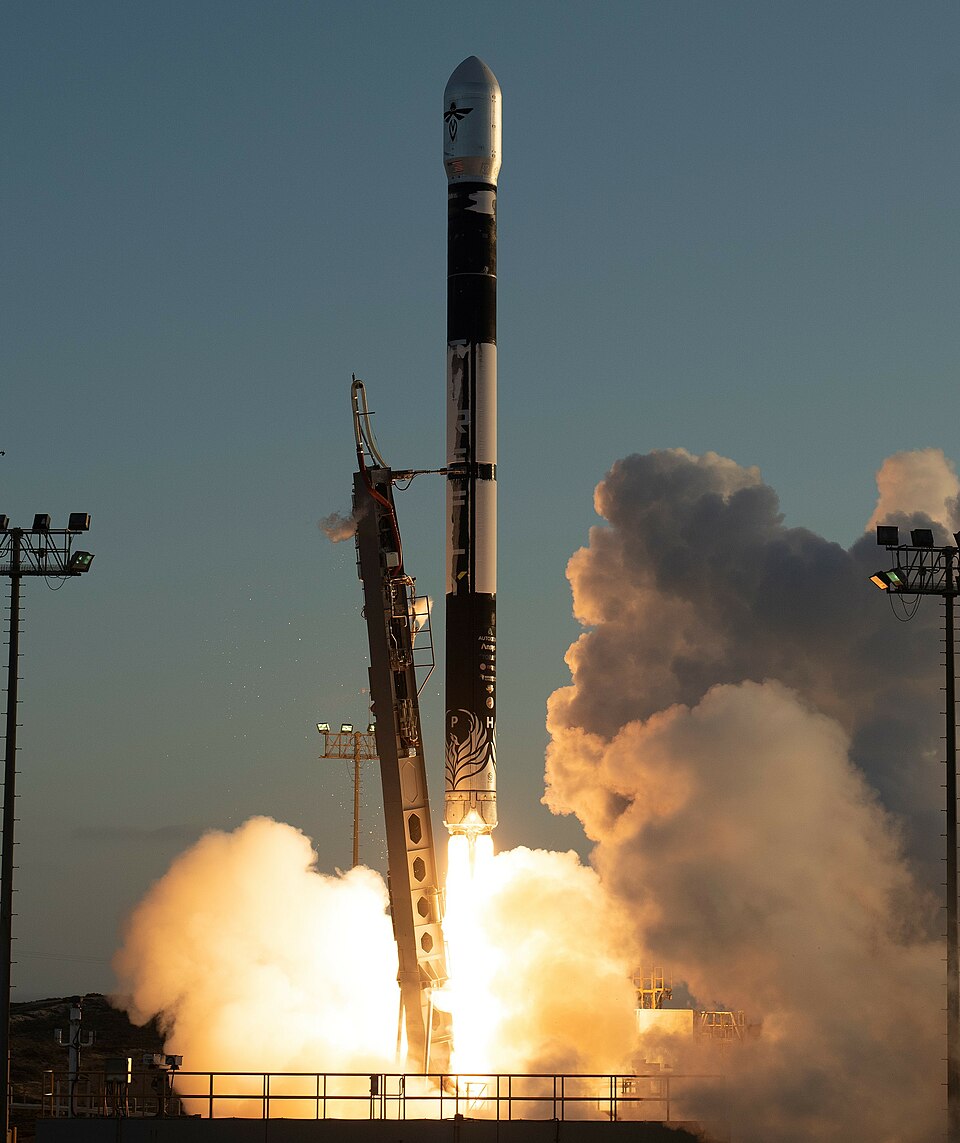
Firefly Aerospace is preparing to return to flight with its Alpha rocket, marking the company’s first launch attempt since experiencing explosive mishaps last year. The upcoming mission represents a critical test of both the rocket’s technical capabilities and the company’s resilience in the face of adversity. For the small but growing team at Firefly, this launch represents an opportunity to demonstrate that lessons learned from failure can lead to future success, and that the commercial space industry can mature through overcoming technical challenges. The aerospace industry is no stranger to setbacks, and Firefly’s story is emblematic of the persistence required to succeed in this challenging field.
The Alpha rocket, designed specifically for small satellite launches, experienced two high-profile failures in previous flight attempts. These incidents, while disappointing, provided valuable data that Firefly’s engineering team has used to identify and address the root causes of the failures. The company has implemented significant design improvements and rigorous testing protocols to ensure the next launch succeeds. This methodical approach to problem-solving reflects the maturity of the team’s engineering practices and their commitment to technical excellence. The failures, while painful, have made the company stronger and more knowledgeable.
Firefly Aerospace has been remarkably transparent about the challenges faced during development, sharing lessons learned with the broader aerospace community. This approach has earned the company credibility within the industry, where failure is often seen as an inevitable part of the development process rather than a permanent setback. The company’s willingness to discuss its difficulties openly stands in contrast to the secrecy that sometimes characterizes aerospace development programs. This transparency has helped build trust with customers and the broader space community, demonstrating a mature approach to doing business.
The small satellite launch market has become increasingly competitive, with numerous companies vying to provide cost-effective access to orbit. Firefly’s return to flight will demonstrate whether the company can compete with established players like SpaceX and Rocket Lab, as well as emerging competitors in the United States and internationally. The market opportunity remains substantial, as demand for small satellite launches continues to grow with the proliferation of constellation networks and dedicated missions. The challenge for Firefly will be differentiating itself in a crowded market and establishing a reliable track record.
The upcoming launch will carry a variety of payloads, demonstrating the rocket’s versatility for different mission requirements. Firefly has positioned Alpha as an ideal platform for dedicated small satellite missions, offering rideshare opportunities and flexible deployment options that larger rockets cannot match. This flexibility could prove attractive to customers who need precise orbit delivery or who want to avoid the wait times associated with larger rideshare programs. The ability to customize missions for specific customer needs is a key competitive advantage in this market segment.
Beyond the immediate launch, Firefly is developing Firefly ML, a medium-lift rocket that will expand the company’s capabilities into larger payloads. This progression follows a common pattern in the aerospace industry, where companies build experience and credibility with smaller systems before moving to larger platforms. The development of Firefly ML will require additional capital and technical investment, making the success of the Alpha return-to-flight mission even more critical for the company’s long-term viability and growth strategy. The roadmap is clear, but execution will be everything.
The return to flight represents more than just a technical milestone for Firefly Aerospace. It is a test of the company’s culture and determination in the face of adversity. The aerospace industry has seen numerous companies rise from failure to success, including SpaceX itself, which experienced multiple early failures before achieving reliability. Firefly is positioning itself to join that tradition, demonstrating that persistence and engineering rigor can overcome initial setbacks. The story of Firefly is ultimately about the resilience of the entrepreneurial spirit in the face of technical challenges.
As the launch approaches, the aerospace community will be watching closely. A successful flight would validate the company’s technical improvements and open new opportunities for growth. A failure, while disappointing, would provide additional data for further improvements. Either way, Firefly Aerospace’s return to flight demonstrates the resilience and determination that characterizes the commercial space industry. The company’s journey reflects the broader narrative of commercial space: bold attempts, hard lessons, and persistent pursuit of ambitious goals that push humanity further into the final frontier.
The significance of Firefly’s return extends beyond the company itself. It represents a test of the commercial space model’s ability to learn from failure and improve. The small launch vehicle market is crucial for the growth of the space economy, providing access for smaller payloads that cannot justify the cost of larger rideshare missions. Firefly’s success or failure will have implications for the entire ecosystem of small launch providers and the customers who depend on them.


 Subscribe to our RSS feed













There are no comments.
Add A Comment