OrbitalHub

The place where space exploration, science, and engineering meet

Domain is for sale. $50,000,000.00 USD. Direct any inquiries to contact@orbitalhub.com.

Archive for the Space Exploration category

January 6, 2010

Carnival of Space #135

Posted by


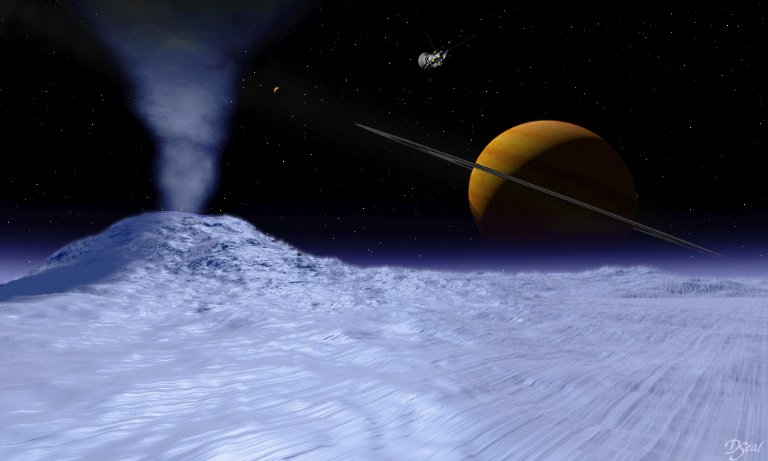
Credits: David Seal


Carnival of Space #135 is hosted at Steve’s Astro Corner.


This week you can read about a partial lunar eclipse, the chemical composition of Io, Titan explorers, the wreck of the Mars Polar Lander, Sun spots, geysers on the surface of Enceladus, and much more.


  • Facebook
  • Google
  • Slashdot
  • Reddit
  • Live
  • TwitThis
December 31, 2009

Icarus, Son of Daedalus

Posted by


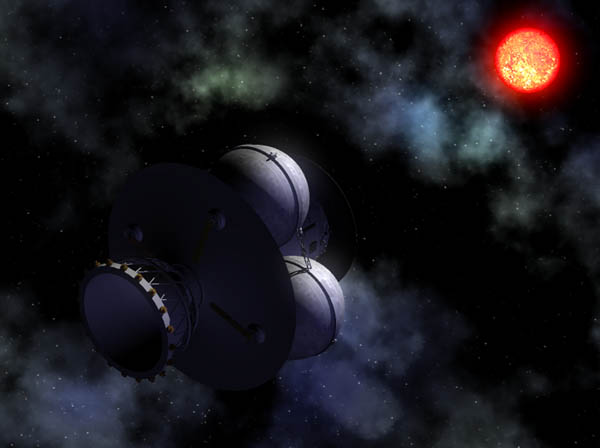
Credits: The British Interplanetary Society


Daedalus was a British Interplanetary Society (BIS) project conducted in the 1970’s. The project aimed to design an interstellar probe capable of flying to the Barnard’s star. The Daedalus design was a 54,000 ton two-stage vehicle powered by a D/He3 fusion engine, which could reach a speed of 10,000 km/s. It seems that the motivation behind the Daedalus project was the Fermi paradox.


Among the stated guidelines of the Daedalus project were the use of current or near-future technology and that the spacecraft must reach its destination within a human lifetime. There were interesting aspects to be considered during the design phase, such as infrastructure, propulsion, supporting technologies, and choice of targets.


Icarus, a new theoretical study of a mission to another star, builds on the solid base of the Daedalus project. Icarus aims to crystallize the design for an interstellar probe. Declared goals of the project include generating greater interest for interstellar precursor missions, and motivating a new generation of scientists to design interstellar space missions.


You can find more information about Project Icarus and the team behind the design efforts on the Project Icarus website.


  • Facebook
  • Google
  • Slashdot
  • Reddit
  • Live
  • TwitThis
December 25, 2009

Carnival of Space #134

Posted by


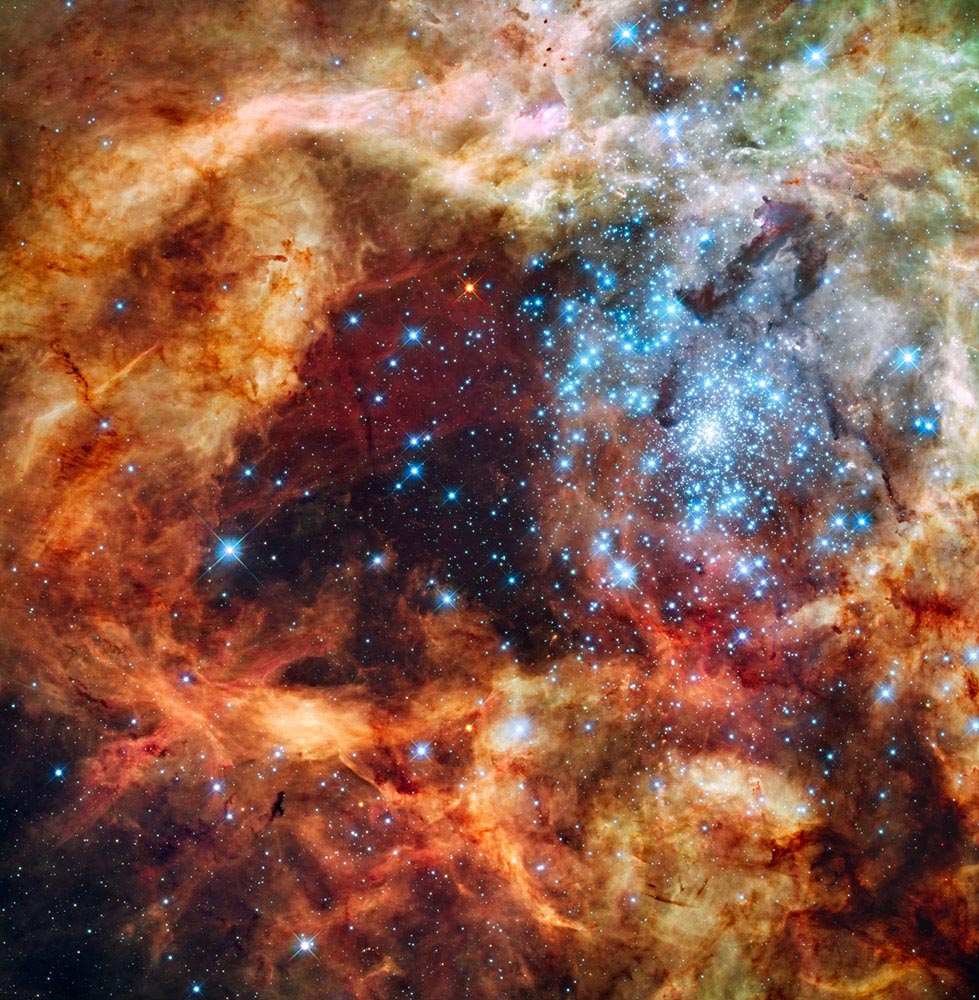
Credits: STScI


Carnival of Space #134 is hosted at Cumbrian Sky.


This week you can read about the latest news concerning the discovery of water on the Moon, a fascinating planet discovered around GJ 1214, the origins of the Earth’s atmosphere, the 30 Doradus Nebula, the Saturn’s largest moon – Titan, nuclear propulsion for interplanetary missions, and much more.


  • Facebook
  • Google
  • Slashdot
  • Reddit
  • Live
  • TwitThis
December 20, 2009

Carnival of Space #133

Posted by


Credits: Canada-France-Hawaii Telescope/Coelum


Carnival of Space #133 is hosted by Brian Wang at Next Big Future.


This week you can read about the Canada-France-Hawaii Telescope Legacy Survey Deep Field #1, giant green spirals over the North Pole, a solid look at solar sail technologies, NASA’s WISE space telescope, the unveiling of Space Ship Two, a discussion on new evidence for past life on Mars, galaxy collisions, various planets and moons and their potential for being terraformed, and much more.


  • Facebook
  • Google
  • Slashdot
  • Reddit
  • Live
  • TwitThis
December 13, 2009

Carnival of Space #132

Posted by


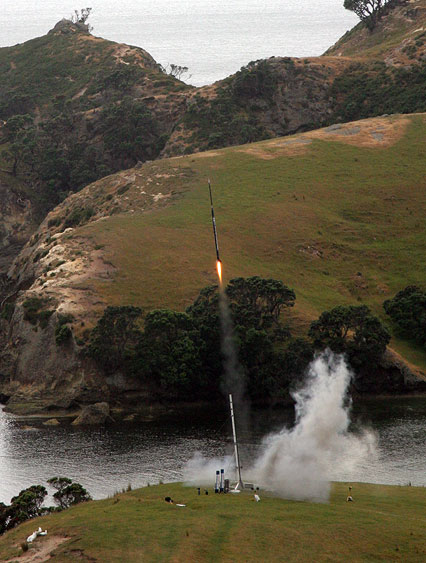
Credits: Rocket Lab


Carnival of Space #132 is hosted by Stephen Tilford at Steve’s Astro Corner.


This week you can read about space elevators, type 1A supernovas, the case for life on Mars, another player in the space race from New Zealand, and much more.


  • Facebook
  • Google
  • Slashdot
  • Reddit
  • Live
  • TwitThis
December 6, 2009

Planetary Society’s LightSail Spacecraft

Posted by


Credits: The Planetary Society


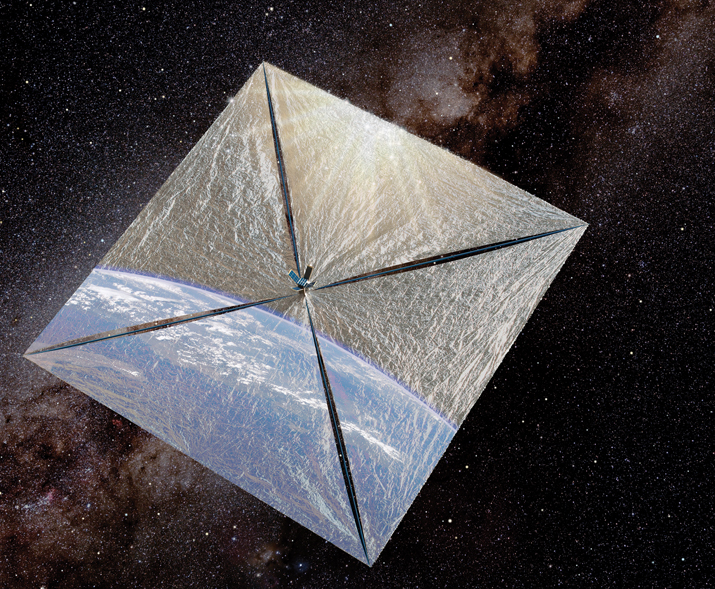
After its first solar sail spacecraft Cosmos-1 was lost due to a faulty launch vehicle, the Planetary Society remained committed to the mission of building a solar sail spacecraft.


The new solar sail project, called LightSail, will consist of three spacecraft.


The first spacecraft, LightSail-1, is designed around a CubeSat spacecraft bus, has a thirty-two square meter sail, and will demonstrate the concept of solar sail navigation. The Planetary Society estimates that LightSail-1 will be ready for launch by the end of 2010. LightSail-1 will fly as a secondary payload on another mission, which is the traditional method of deploying micro and nano satellites, in order to decrease the cost of the mission. While LightSail-1 is a test platform for new technologies, LightSail 2 and 3 will carry scientific payloads in orbit.


You can be part of the LightSail program. Visit The Planetary Society website and see how you can help make a dream reality.

 

  • Facebook
  • Google
  • Slashdot
  • Reddit
  • Live
  • TwitThis