OrbitalHub

The place where space exploration, science, and engineering meet

Domain is for sale. $50,000,000.00 USD. Direct any inquiries to contact@orbitalhub.com.

Archive for the Space Exploration category

April 25, 2017

Launch of Cassini Spacecraft to Saturn

Posted by


NASA dixit:

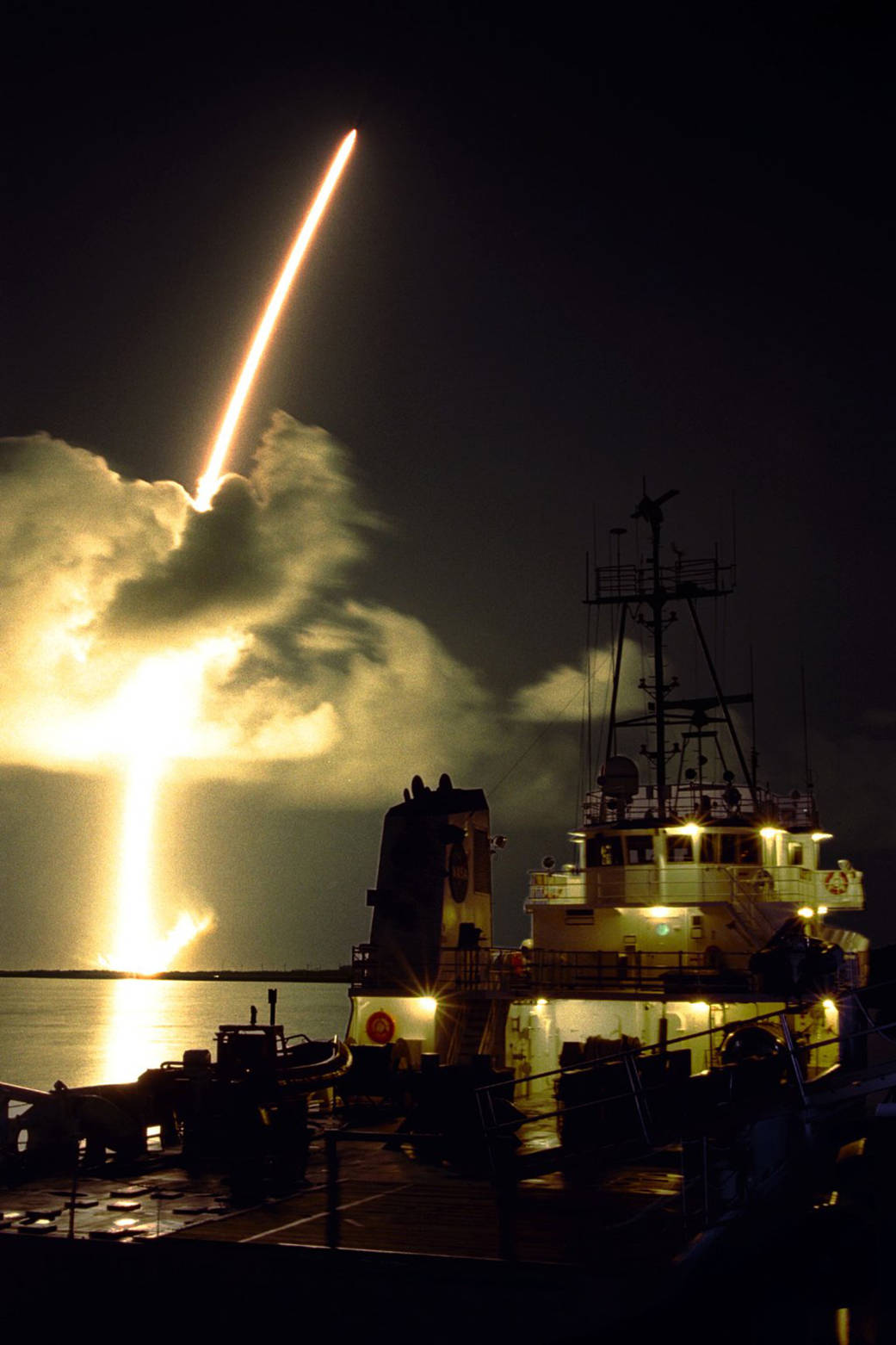
“On October 15, 1997, a seven-year journey to the ringed planet Saturn began with the liftoff of a Titan IVB/Centaur carrying the Cassini orbiter and its attached Huygens probe. This spectacular streak shot was taken from Hangar AF on Cape Canaveral Air Force Station, with a solid rocket booster retrieval ship in the foreground. Launch occurred at 4:43 a.m. EDT from Launch Complex 40. After a nearly 2.2-billion mile journey, the spacecraft arrived in the Saturn system on June 30, 2004.”

“After almost 20 years in space, NASA’s Cassini spacecraft begins the final chapter of its remarkable story of exploration: its Grand Finale. Between April and September 2017, Cassini will undertake a daring set of orbits that is, in many ways, like a whole new mission. Following a final close flyby of Saturn’s moon Titan, Cassini will leap over the planet’s icy rings and begin a series of 22 weekly dives between the planet and the rings.

No other mission has ever explored this unique region. What we learn from these final orbits will help to improve our understanding of how giant planets – and planetary systems everywhere – form and evolve.

On the final orbit, Cassini will plunge into Saturn’s atmosphere, sending back new and unique science to the very end. After losing contact with Earth, the spacecraft will burn up like a meteor, becoming part of the planet itself.

Cassini’s Grand Finale is about so much more than the spacecraft’s final dive into Saturn. That dramatic event is the capstone of six months of daring exploration and scientific discovery. (And those six months are the thrilling final chapter in a historic 20-year journey.)”

Image credit: NASA


  • Facebook
  • Google
  • Slashdot
  • Reddit
  • Live
  • TwitThis


NASA dixit:

“NASA’s Cassini spacecraft arrived at Kennedy Space Center 20 years ago to begin processing for launch on a mission that would see it deliver spectacular images and data from the ringed planet Saturn. As the massive spacecraft begins its final chapter, engineers at Kennedy took a look back to how their contributions to the mission began.”

Video credit: NASA


  • Facebook
  • Google
  • Slashdot
  • Reddit
  • Live
  • TwitThis
April 24, 2017

Orbital ATK CRS-7 Launch and Berthing

Posted by


NASA dixit:

“On April 22, hours arriving at the International Space Station, Orbital ATK’s Cygnus resupply ship was captured by Expedition 51 Flight Engineer Thomas Pesquet of the European Space Agency and Commander Peggy Whitson of NASA using the Canadarm2 robotic arm. Later, Cygnus was installed to the Earth-facing port of the Unity module where it will reside for the next three months. Cygnus is packed with 7,600 pounds of supplies and research for the crew aboard the orbiting laboratory.”

Video credit: NASA


  • Facebook
  • Google
  • Slashdot
  • Reddit
  • Live
  • TwitThis


NASA dixit:

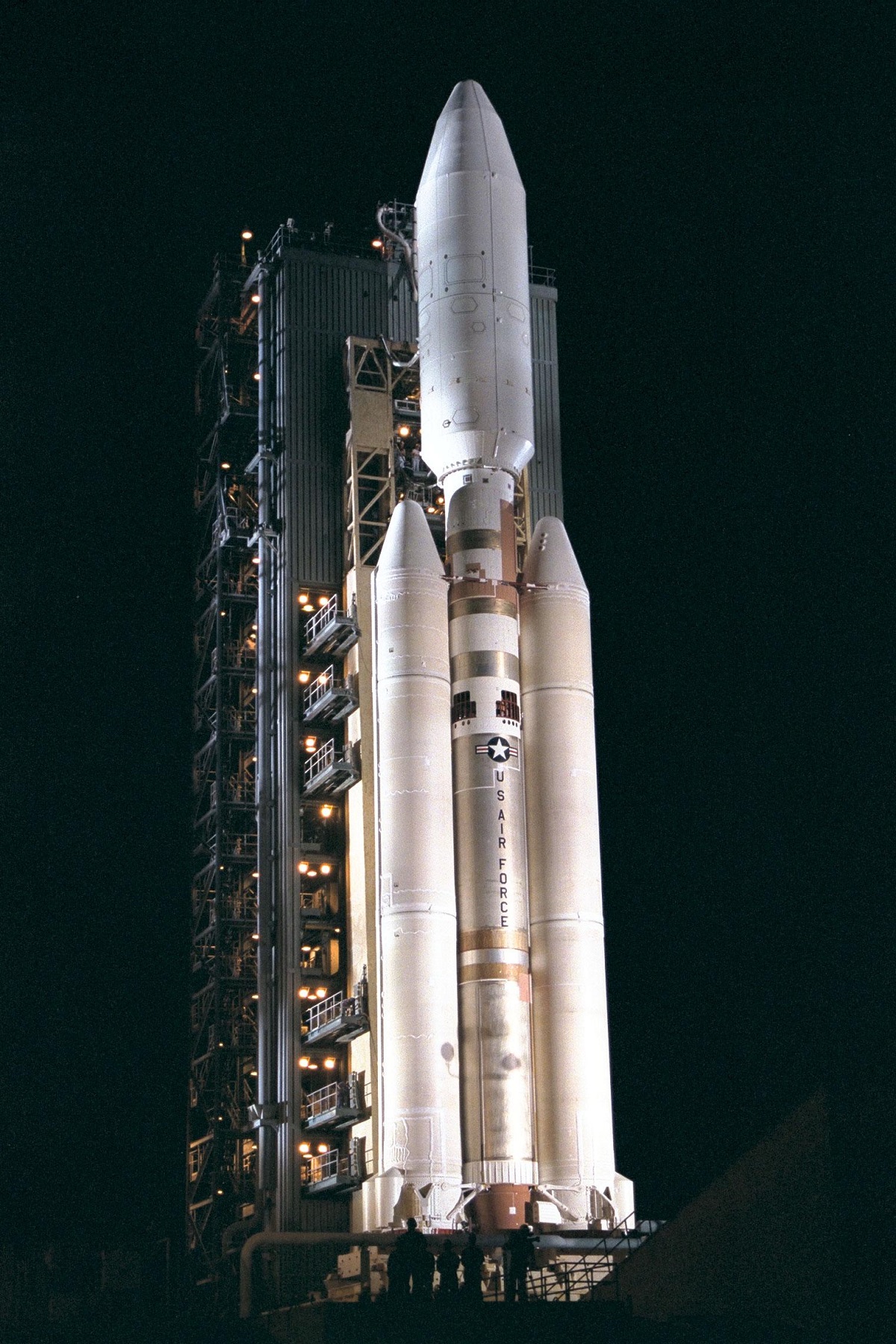
“October 12, 1997. Launch Complex 40: The second Titan IVB/Centaur (Model 401), with Cassini/Huygens on board. At Launch Complex 40 on Cape Canaveral Air Station, the Mobile Service Tower has been retracted away from the Titan IVB/Centaur carrying the Cassini spacecraft, marking a major milestone in the launch countdown sequence. Retraction of the structure began about an hour later than scheduled due to minor problems with ground support equipment. The launch vehicle, Cassini spacecraft and attached Centaur stage encased in a payload fairing, altogether stand about 183 feet tall; mounted at the base of the launch vehicle are two upgraded solid rocket motors. Liftoff of Cassini on the journey to Saturn and its moon Titan is slated to occur during a window opening at 4:55 a.m. EDT, Oct. 13, and extending through 7:15 a.m.”

“After almost 20 years in space, NASA’s Cassini spacecraft begins the final chapter of its remarkable story of exploration: its Grand Finale. Between April and September 2017, Cassini will undertake a daring set of orbits that is, in many ways, like a whole new mission. Following a final close flyby of Saturn’s moon Titan, Cassini will leap over the planet’s icy rings and begin a series of 22 weekly dives between the planet and the rings.

No other mission has ever explored this unique region. What we learn from these final orbits will help to improve our understanding of how giant planets – and planetary systems everywhere – form and evolve.

On the final orbit, Cassini will plunge into Saturn’s atmosphere, sending back new and unique science to the very end. After losing contact with Earth, the spacecraft will burn up like a meteor, becoming part of the planet itself.

Cassini’s Grand Finale is about so much more than the spacecraft’s final dive into Saturn. That dramatic event is the capstone of six months of daring exploration and scientific discovery. (And those six months are the thrilling final chapter in a historic 20-year journey.)”

Image credit: NASA


  • Facebook
  • Google
  • Slashdot
  • Reddit
  • Live
  • TwitThis
April 20, 2017

Soyuz MS-04 Launch and Docking

Posted by


NASA dixit:

“After launching earlier in the day in their Soyuz MS-04 spacecraft from the Baikonur Cosmodrome in Kazakhstan, Expedition 51-52 Soyuz Commander Fyodor Yurchikhin of Roscosmos and Flight Engineer Jack Fischer of NASA arrived at the International Space Station April 20 to complete a six-hour journey, docking their vehicle to the Poisk module on the Russian segment of the complex.”

Video credit: NASA/Roscosmos


  • Facebook
  • Google
  • Slashdot
  • Reddit
  • Live
  • TwitThis
April 17, 2017

April 2017 Solar Flares

Posted by


NASA dixit:

“The sun emitted a trio of mid-level solar flares on April 2-3, 2017. NASA’s Solar Dynamics Observatory, which watches the sun constantly, captured images of the three events.”

Video credit: NASA’s Goddard Space Flight Center/Genna Duberstein

Music credit: A Waltz into Darkness by Joseph Bennie


  • Facebook
  • Google
  • Slashdot
  • Reddit
  • Live
  • TwitThis